CategoriesHome Extensions

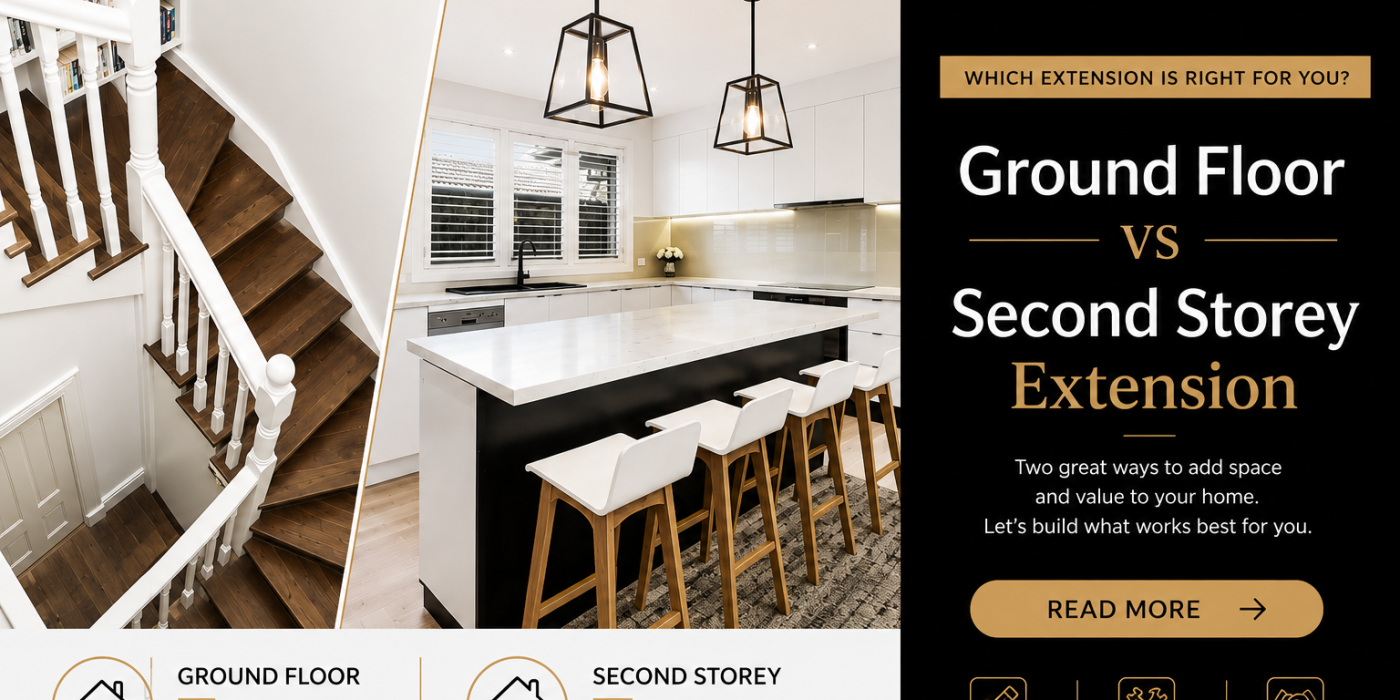
Ground Floor vs Second Storey Extension

Running out of space at home? It happens to many families over time. Rooms start to feel smaller, storage gets tight, and daily life can feel a bit crowded. But moving isn’t always the answer. Many homeowners choose to stay and improve what they already have.

That’s where extensions come in. You can either build out with a ground floor extension or build up with a second storey extension. Both options are common in period homes in Melbourne, especially in homes inspired by Victorian architectural styles, or a classic Edwardian house, or a beautiful Californian Bungalow.

Each option has its own benefits, and the right choice depends on your space, your lifestyle, and how you want your home to feel in the future.

What is a Ground Floor Extension?

A ground floor extension means adding space at the back or side of your home. It’s a common choice for growing families who want a bigger kitchen, living room, or open-plan space.

In many period homes in Melbourne, ground floor extension works well because you keep the charm at the front and create a modern space at the back.

Why do people like ground floor extensions?

  • Easy access to outdoor spaces
  • Perfect for open living spaces.
  • Keeps everything at one level.

Things to think about:

  • You need enough land space.
  • It can reduce the size of your backyard.

Ground floor extensions are often seen in period homes, especially when owners want to keep the street view unchanged while improving daily living inside.

What is a Second Storey Extension?

A second storey house extension means building upward instead of outward. You add a full or partial level above your existing home. This is a popular option in projects where land space is limited.

Many homeowners choose a second-story house extension to add bedrooms, bathrooms, or even a home office without affecting their backyard.

Why do people like second storey extension?

  • Keeps the outdoor space intact
  • Adds clear separation between living and sleeping areas
  • Works well in tight blocks
  • Excellent for a spacious master suite

A second storey extension is also an excellent option for period homes in Melbourne, particularly when the goal is to maintain the original appearance while adding more space above.

Ground Floor vs Second Storey Extension: Key Differences

  • Space and Layout

Ground floor extensions spread your home out, while second storey extensions build upwards. If you want to keep your outdoor space, a second storey extension may be the better option.

  • Impact on Your Land

A ground extension takes up yard space; a second storey extension in Melbourne project keeps your outdoor area the same, which is a big plus for families.

  • Cost and Build Time

Costs can vary, but double storey extensions can sometimes cost more due to structure changes. That said, ground floor work can also get expensive if it involves major layout changes.

  • Suitability for Period Homes

For period homes, the choice depends on the era’s design and if there are heritage overlay restrictions. A ground floor extension keeps the original facade intact, while a second storey extension can be designed to elevate the home and street appeal.

How Australian Home Styles Play a Role?

Victorian architectural styles often feature narrow layouts, which is why a rear extension tends to work well. Edwardian homes usually have more width, making both ground floor and second storey extensions possible. Federation homes, which are similar in scale, also allow for flexible extension options while keeping their street presence intact.

Californian Bungalows are another common style in Melbourne. These homes often have more open layouts, making them well-suited for rear extensions that create larger living spaces. You may also come across other period styles, such as Georgian homes or early Victorian homes, each with its own layout and structure.

Many period home owners in Melbourne choose a mix of approaches, to keep the original front rooms and adding modern living spaces either at the rear or above. The right option depends on the home’s layout, block size, and how you want the space to function day to day.

That’s why you’ll see a lot of double storey extensions in Victorian homes, as they offer flexibility without losing the home’s character.

Can You Combine Both?

Yes, and many people do; some double storey extensions include a ground floor extensions Melboune along with an upper level addition. This works well for larger upgrades, especially in period homes in Melbourne, where space and design both matter.

The right choice comes down to how you live and what your home allows.

Thinking About Extending Your Home?

If you are planning a second storey extension Melbourne or considering double storey extensions, get in touch with us today.

We at Period Extensions & Designs focus on preserving the original feel of your home while making it more functional for everyday use. Whether it’s a ground floor extension or a second-story house extension, the goal is the same: to create a home that feels right for you.

CategoriesHome Extensions

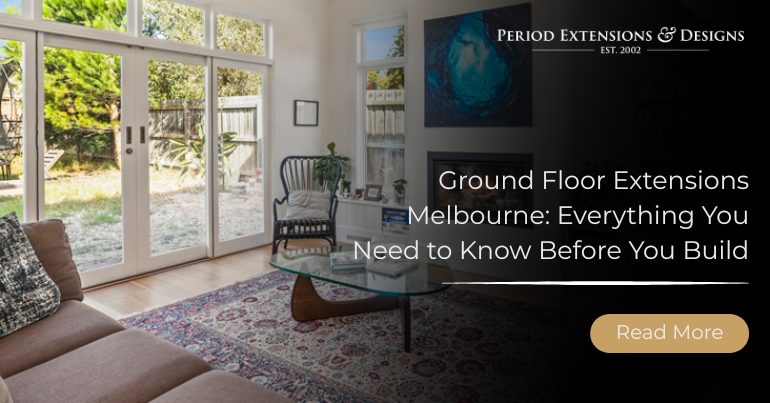
Ground Floor Extensions Melbourne: Everything You Need to Know Before You Build

If your home is starting to feel crowded, a ground floor extension can be a simple solution. Instead of going through the stress of moving house, you can increase your home’s space and make it more functional for your daily routine. Many homeowners choose ground floor extensions in Melbourne because it allows them to stay in their preferred location while improving the feel and functionality of their home.

Ground floor extensions, when planned correctly, can help you open up living areas, bring in more natural light, and improve room flow. Whether it’s a larger kitchen, a connected living and dining area, or simply more space to relax, these changes can make a big difference.

Before you begin building, you should understand how ground floor extensions in Melbourne work, what options you have, and what to plan for so that the entire process is easier and clearer.

Why Ground Floor Extensions Make Sense?

Life changes, families grow, work shifts, and suddenly your home feels tight. Instead of going through the stress of moving, ground floor extensions allow you to stay where you are and build the additional space you need.

In Melbourne, homes often have room to expand outward. That is why ground floor extensions in Melbourne are a popular choice. You can expand your living space, bring in more light, or improve the flow between rooms.

Some common reasons people go for a ground floor extension:

  • In need of a bigger kitchen or living space
  • Wanting an open-plan layout
  • Adding additional bedrooms, bathrooms or a family room
  • Creating an indoor-outdoor connection

Types of Ground Floor Extensions You Can Consider

Not all ground-floor extensions look the same. The area of expansion depends on your home and how you want to use the space.

  • Rear Extensions: The most common option is to extend into your backyard and create more room at the rear of the property. Many ground floor extensions in Melbourne follow this approach because it keeps the front of the house unchanged.
  • Side Return Extensions: If you have unused space along the side of your house, this can be turned into a useful area.
  • Wrap-Around Extensions: This combines rear and side extensions. It gives you more flexibility with layout and design.

Designing Your Ground Floor Extension

When it comes to ground-floor extensions, design is the stage where everything starts to take shape. For some, it might not feel as exciting as the actual building of your project, but this is what decides how smooth or not your project will be.

With the guidance of the Design Team at Period Extensions & Designs, the process becomes much easier to manage, with support at every step.

Focus on Layout and Design

The layout is what really shapes how your extension will look and feel once it’s built. With ground floor extensions, it’s not just about adding extra space; it’s about making sure that space works well with the rest of your home.

A good layout feels natural and easy to move through. Consider how the new space integrates with your current layout and if it offers sufficient natural light. Numerous ground-floor extensions in Melbourne opt for open-plan designs, merging the kitchen, dining, and living areas. This approach can be effective, provided it’s thoughtfully executed.

Set Your Goal Clearly

Before you think about design or budget, you need to be clear about why you are building the extension in the first place. Many people jump in thinking they just need “more space”, but that can lead to confusion later. It helps to pause and think about how you actually live in your home every day.

For example, if your kitchen feels tight, you might want a larger cooking and dining area. If your living room feels closed off, you may want to open it up. In many ground floor extensions in Melbourne, homeowners combine multiple needs, like creating a bigger kitchen while also adding a relaxed family space.

Budget (Think Beyond Just the Building Cost)

Budget is not just about how much the extension will cost.” There are small things people forget, and they add up fast.

Here’s what you should think about:

  • Design and drafting
  • Structural Engineering
  • Council approvals and building permits
  • Construction cost
  • Materials and finishes
  • Electrical and plumbing changes
  • Furniture for the new space

In ground floor extensions in Melbourne, costs can change depending on how much you alter the existing house.

Check Council Rules Early

One of the most important steps in planning ground floor extensions is understanding the local rules. In Melbourne, not every project needs approval, but many do. This usually depends on the size of the extension, how close it is to the boundary, and whether your home is in a heritage area.

The council requirements for ground floor extensions in Melbourne vary depending on your location. That’s why it’s always a good idea to check early rather than assuming everything is fine. If approvals are required and not planned for, it can cause delays in the future.

Taking care of this step early allows your project to move forward without delay. If you’re not sure where to start, our team is here to guide you every step of the way.

Build Smart with Period Extensions and Designs

Period Extensions & Designs can assist you in designing and building a ground floor extension that is both functional and aesthetically pleasing. We understand different home styles and create extensions that feel natural and blend seamlessly between the existing and the new.

Contact us today to take the first step towards a more suitable home.

CategoriesHome Extensions

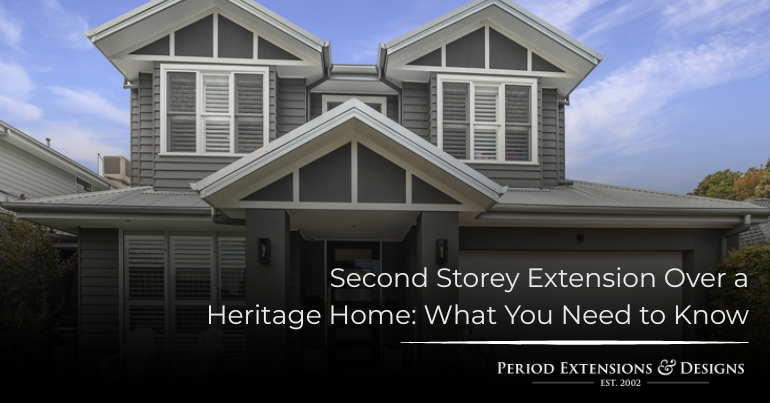
Second Storey Extension Over a Heritage Home: What You Need to Know

A second-storey extension is a smart way to add space without selling up and moving from a home you already love. But when the home is a heritage one, the process is a bit different. You need to think about design, structure, and council rules before you start.

If you’re planning a second storey extension in Melbourne, it helps to know what’s involved early on. A well-planned second-storey house extension can give you more room while still keeping the original character of your home.

Why a Second Storey Make Sense for Heritage Homes?

Most heritage homes were built at a time when families lived differently. Rooms were smaller, layouts were tighter, and there was no need for home offices or open spaces.

A second storey house extension can modernise your home without changing the original charm and beauty of the home.

Here’s why many homeowners choose this option:

  • You keep your outdoor space instead of building into it.
  • The original facade of the front of the home can stay the same.
  • You can add private spaces upstairs while keeping shared areas below.

With double storey extensions, you’re not just adding rooms. You’re improving how the whole house works, and modernising your home to suit your lifestyle.

Know Your Home Style Before You Start

Every heritage home has its own character. Before planning a second storey extension, you need to understand what makes your home unique.

1. Victorian Homes

These homes often have narrow fronts, detailed trims, and long hallways. A second storey extension here is usually set back so the front view of your home isn’t impacted.

2. Edwardian Homes

These are a bit wider and simpler in design. A second storey house extension can be easier to blend in if you follow the same roof lines and window styles.

3. Californian Bungalows

Low and wide, these homes have a strong street presence. For double storey extensions, the top level is often built to replicate the front fascade.e thus making a statement front gables.

4. Federation Homes

These homes use brick, timber, and classic roof shapes. A second storey extension project here needs careful material matching so the new and existing blend aesthetically.

Knowing your style helps guide every decision, from design to materials.

Council Rules and Heritage Controls

This is where many people get surprised. A second storey extension often requires the following:

  • Structural Engineering,
  • Town Planning Approval,
  • Building Permit.

Councils often want to protect the heritage of older homes. you may be required to:

  • Keep the front facade unchanged
  • Set the new level back from the street
  • Select from  particular colours and materials that match the area and style

Therefore, you may need to get town planning approval from Counsil before you build. This part can take time; it’s not unusual for approvals to take a few months. A clear understanding of these requirements from the start helps keep the process smooth and uninterrupted. The team at Period Extensions & Designs are experts when it comes to town planning approvals.

Structural Work: What Happens Behind the Walls

This part is easy to overlook, but it’s one of the most important steps.

Most heritage homes were not built for a second storey extension. So before anything goes up, the base must be checked.

This involves:

  • Strengthening the foundation
  • Replacing old timber supports
  • Adding steel beams for support
  • Engineering for the build

In many cases, parts of the home may need to be opened up to allow for these changes. It’s also important to have the right reports prepared by a structural engineer, as these are needed to move forward with permits and the build. Our team can take care of this process as part of a start-to-finish service, covering everything from design and approvals through to construction.

Stairs, Layout, and Flow

One thing people don’t always think about is where the stairs will go.

A second storey house extension needs a staircase that:

  • Fits naturally into the layout
  • Space becomes more functional
  • Connects both levels smoothly

This may affect the layout of your ground floor. Rooms may require minor changes to accommodate stairs. In well-planned double-story extensions, the flow is effortless. You move between levels without feeling forced or constrained.

Build Up Without Losing Charm

Planning a second storey extension on a heritage home can feel like a big step. That’s where Period Extensions & Designs comes in. We know how to handle second-story extensions in Melbourne with care, preserving the original style while adding space that is functional for your current lifestyle.

If you’re thinking about double storey extensions, enquire with Period Extensions & Designs today and let our team help design and build an extension that suits your home and style.

CategoriesHome Extensions

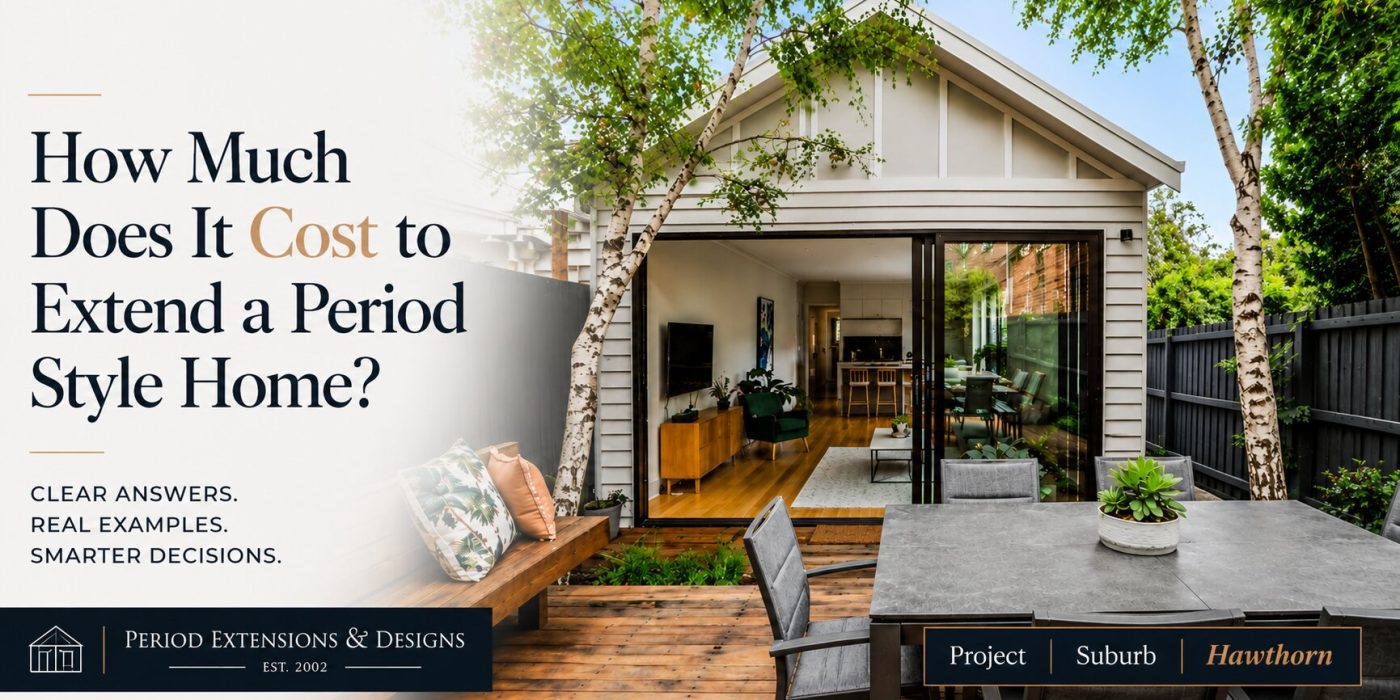
How Much Does it cost to extend a Period style home in Melbourne?

If you’re planning to extend your home, you’ve probably wondered what really drives the cost. It’s not just about how big the extension is or how it looks on paper. The cost of a home extension in Melbourne is shaped by a mix of factors. Your home’s current condition, the layout you choose, the building materials, the fixtures and fittings, and even how easy it is to access your site will all play a part in determining the cost.

Two homes with the same size extension can end up with very different house extension costs simply because one has a more complex layout or needs extra work before building starts. This is why when it comes to extending a period home, a price per sqm is difficult to establish. A rough estimate of the price per sqm may not include the details that often make the biggest difference and can leave the homeowner unprepared for costs they weren’t expecting.

Understanding these factors early on helps you plan in a more practical way. It also makes it easier to set clear expectations and avoid surprises once the project begins.

Why Period Homes Need a Different Approach?

Extending a period home is not the same as extending a relatively new house. It needs more thought, more care, and a better understanding of how older homes were built.

Period homes were built and designed according to the style relevant to their time. The way rooms are placed, the materials used, and even how light enters the space, all of it is different to the way modern homes are built. Different styles of period homes, as well as the existing condition of the home, can impact the home extension cost in Melbourne.

Key Factors That Shape The Cost Of A Home Extension in Melbourne

Extension size and layout

The size of an extension is the first thing people think about, and yes, it plays a role. The larger the space you want to add on, the more materials and time are needed. That’s where people start looking at the extension price per sqm to get a rough idea.

But here’s the thing: two extensions with the same size can be very different in terms of layout and, hence, the materials and labour required. A simple open space at the back is one thing. A layout with multiple rooms, hallways, or tricky shapes is another.

So while the extension price per sqm gives a starting point, the layout often shifts the final house extension cost more than people expect.

Design choices and finishes

This is where costs can vary depending on the materials and finishes you choose. Some homeowners prefer to keep things simple, while others go for higher-end options that change the overall look and feel of the space.

For example:

  • Laminate benchtops vs marble or stone
  • Timber windows vs aluminium
  • Timber flooring vs laminate or hybrid
  • Different fittings and fixtures throughout the home

Each of these choices can influence the home extension cost in Melbourne, even if the size of the build stays the same. It’s not about the style of the home but the level of finish and materials selected.

When working with a period home, the goal is usually to carry the character through in a way that feels seamless and natural. The materials you choose play a big part in how well the new space connects with the original home.

Materials and finish choices

Every home is different, and so are the choices people make. Some homeowners prefer a simple finish that blends in quietly. Others want a closer match to the original features.

Your choices might include:

  • Type of flooring
  • Style of doors and windows
  • Kitchen and bathroom fittings
  • Lighting and fixtures

Even when working within a similar extension price per sqm, these choices can shift the overall house extension cost. It’s not about going high-end. It’s about choosing what fits your home and how detailed you want the finish to be.

Condition of the existing structure

Before any extension starts, the current home needs to be assessed properly. Some period homes are well-maintained. Others may have underlying issues that require attention.

 These might include:

  • Old wiring or plumbing
  • Uneven floors
  • Weak support structures
  • Signs of damp or wearing

Planning regulations and approvals

Planning regulations and approvals are a reality for period homes in Melbourne, particularly those situated within heritage zones.

Before you start altering anything, you need to get the green light from the relevant council and the appointed building surveyor. Sometimes, even minor design tweaks require a formal review. 

While it doesn’t always directly inflate the extension’s cost per square meter, the approval process can certainly impact the project’s progress. Delays or design alterations can, in subtle ways, affect the overall expense of a home extension in Melbourne.

Ready to Plan Your Extension the Right Way?

If you’re thinking about extending your period home, it helps to get the right advice early on. At Period Extensions & Designs we work closely with homeowners to plan spaces that feel natural and practical.

From layout ideas to design details, the focus is on helping you make clear decisions without the stress. If you’re exploring your options, start a conversation with our architecture and design team and take the first step toward a home extension cost in Melbourne that works for you.

At Period Extensions & Designs, we don’t offer a price per sqm, as it may be misleading and may not reflect the full scope of the project price. Instead, we offer a free consultation and an estimate after a site inspection

CategoriesHome Extensions Home Renovation

Cozy Corners: Reading Nooks in Victorian Homes

Victorian homes have a charm that modern houses often lack. High ceilings, ornate mouldings, and grand fireplaces create a sense of history. But with all that grandeur, how do you carve out a quiet space? A cozy reading nook blends old-world elegance with modern comfort. It’s not just about style—it’s about making the most of your home.

If you’re thinking about home renovations in Melbourne, a reading nook can be the perfect addition. Whether you have a bay window, an unused alcove, or a spare corner, you can turn it into a space that invites relaxation. Let’s explore how to create a reading nook that fits seamlessly into a Victorian home.

1. Choosing the Perfect Spot

The right location makes all the difference. Victorian homes often have unique architectural details that lend themselves to cozy nooks. Look for these spaces:

  • Bay Windows: These provide natural light and a built-in seat option.
  • Under the Stairs: A tucked-away space can feel like a secret hideaway.
  • Near a Fireplace: Stay warm and enjoy a timeless ambiance.
  • Hallway Corners: A quiet corner with a small bench can work wonders.

Think about lighting and comfort. A nook by a window offers daylight, but if you prefer evening reading, consider adding a floor lamp or wall sconce.

Case Study: Bay Window Retreat

In a classic Victorian home in Melbourne, a family transformed their bay window into a reading nook. They added a built-in bench with plush cushions, installed shelving around the frame, and included warm lighting. The result? A cozy retreat that blends perfectly with the home’s historic charm.

2. Selecting the Right Seating

Comfort is key. Victorian homes often feature intricate woodwork, but that doesn’t mean your seating has to be stiff. Consider these options:

  • Built-in Benches: Great for bay windows and alcoves, they provide both seating and storage.
  • Wingback Chairs: These classic chairs match Victorian aesthetics and offer great back support.
  • Chaise Lounges: Perfect for stretching out with a book.
  • Floor Cushions: A more casual, flexible option, especially for smaller spaces.

If you’re working on designing a period bathroom, you might find inspiration in similar vintage touches. Think about upholstery choices—velvet, brocade, and floral fabrics work well with Victorian interiors.

3. Styling with Victorian Flair

A reading nook should feel like an extension of your home’s design. Victorian style is rich in detail, so consider these elements:

  • Wallpaper: Patterns like damask or floral prints add depth.
  • Ornate Frames & Mirrors: These enhance the sense of space.
  • Heavy Drapes or Sheers: Control light while adding texture.
  • Vintage Rugs: Bring warmth and tie the space together.

Mix antique and modern elements for a timeless look. A vintage lamp on a sleek side table blends old and new effortlessly. For inspiration, explore period bedroom design tips to see how classic features can enhance a cozy space.

4. Maximising Storage in Small Nooks

Victorian homes are beautiful, but storage can be limited. A reading nook shouldn’t add clutter—it should offer smart storage solutions:

  • Built-in Bookshelves: Frame your nook with shelves for easy access to books.
  • Storage Benches: A great way to hide blankets and pillows.
  • Floating Shelves: Keep surfaces clear while displaying books and decor.
  • Baskets & Trunks: Maintain a vintage aesthetic while storing essentials.

A well-organised nook keeps your home feeling spacious and elegant. Storage should be functional yet stylish, blending seamlessly with the home’s original character.

5. Enhancing Comfort with Textiles & Lighting

Texture transforms a nook from a simple seat into a true escape. Think layers of softness:

  • Cushions & Throws: Mix textures like velvet, wool, and linen for depth.
  • Thick Carpets or Rugs: Keep the space warm, especially on timber floors.
  • Lamps & Wall Sconces: Opt for warm-toned lighting for a cozy atmosphere.
  • Candles or Oil Lamps: Enhance the Victorian charm.

Comfort isn’t just about physical warmth—it’s about creating an environment that feels inviting. The right lighting can make a big difference, especially in homes with high ceilings and large rooms.

6. Preserving the Home’s Character

Modern updates should respect a home’s original charm. Victorian homes have detailed woodwork, plaster mouldings, and stained glass that deserve to shine. When adding a reading nook, think about:

  • Matching Materials: Use timber, brass, or cast iron for consistency.
  • Restoring Original Features: Avoid covering up cornices, fireplaces, or skirting boards.
  • Choosing Period-Appropriate Colours: Deep greens, burgundy, and warm neutrals work well.

When updating a space, maintaining authenticity matters. If you’re interested in  preserving original features in Victorian homes in Melbourne, look for ways to enhance what’s already there rather than replace it.

FAQs

1) How can I add a reading nook without major renovations?

You don’t need a full remodel to create a cozy reading nook. Start with a comfortable chair, a small side table, and a floor lamp. If space allows, add a bookshelf or a decorative screen to define the area. Use layered textiles like cushions, throws, and rugs to make it feel inviting without any construction work.

If you have a bay window or an unused alcove, consider a simple bench with plush cushions. Floating shelves above or beside the nook can add storage without taking up floor space. To enhance the Victorian charm, use vintage-inspired wallpaper or decorative mouldings that complement your home’s existing features.

Even in a rental, you can create a cozy nook by using removable wallpaper, freestanding furniture, and soft lighting. The key is to make the space feel separate yet cohesive with the rest of the home. A thoughtfully styled reading nook can transform even the smallest space into a quiet retreat.

2) What colours work best for a Victorian-style reading nook?

Victorian interiors are known for their rich, dramatic colour palettes. Deep greens, navy blues, burgundy, and warm golds work well for a traditional, moody feel. These colours pair beautifully with dark timber furniture and antique brass accents, enhancing the historical charm of the space.

If you prefer a softer, airier look, consider muted pastels like dusty rose, sage green, or soft cream. Pairing these with dark wood elements or ornate detailing can maintain a Victorian aesthetic without making the space feel heavy.

Patterned wallpaper is another great way to bring in colour. Florals, damask, or even subtle stripes add depth and character to a small reading nook. If your nook is in a darker part of the house, use warm lighting to keep it from feeling too enclosed. The right colours can turn any corner into a cozy, period-appropriate retreat.

3) How do I keep my reading nook from feeling cluttered?

A reading nook should feel relaxing, not overwhelming. Clutter can make even the coziest corner feel chaotic. Start with smart storage solutions—built-in benches with hidden compartments, floating shelves, or small bookcases can keep books and essentials neatly arranged.

Choose a colour scheme that blends with the rest of the home. Too many patterns or bold colours can make the space feel busy rather than inviting. Stick to a few statement pieces, such as a vintage lamp, framed artwork, or a decorative cushion, rather than overloading the space with knick-knacks.

If your nook is in a high-traffic area, consider using a decorative screen or a curtain to create separation. This helps define the space without adding bulk. Regularly declutter by rotating books or accessories to keep the nook feeling fresh. A well-organised space feels intentional, making it easier to relax and unwind.

4) What are some budget-friendly ways to create a Victorian-inspired nook?

Creating a Victorian-style reading nook doesn’t have to be expensive. Start by shopping second-hand. Vintage furniture, like an old armchair or side table, can be restored with a fresh coat of paint or new upholstery. Look for antique-inspired lamps, ornate picture frames, or decorative mirrors at thrift stores or estate sales.

Repurpose existing furniture by adding Victorian-style details. Use lace or floral-patterned fabrics for cushions, drape a velvet throw over a chair, or add decorative moulding to a basic bookshelf. Even small touches like brass handles on a side table or a vintage-style lamp can enhance the period look.

Wall decor also makes a difference. Removable wallpaper in damask or floral prints is an affordable way to add Victorian charm without a major commitment. Layering textures—such as a Persian-style rug, embroidered cushions, and heavy curtains—can make the space feel rich and inviting without breaking the budget.

5) Can a reading nook be multi-functional?

Absolutely! A reading nook doesn’t have to be just for books—it can double as a meditation space, a journaling corner, or a quiet spot for morning coffee. To make it versatile, choose furniture that serves multiple purposes. A small writing desk can function as both a reading table and a workspace. An ottoman with storage can hold blankets while serving as extra seating.

Lighting is key for a multi-purpose nook. A dimmable lamp allows you to switch between bright lighting for reading and softer lighting for relaxation. If the space allows, a small side table can hold candles, a teacup, or even a notebook for jotting down thoughts.

If your nook is in a shared space, use a decorative screen or curtain to create privacy when needed. A well-designed nook can be more than just a place to read—it can be your personal retreat for relaxation and creativity, adapting to your daily needs.

Create Your Own Timeless Retreat

A reading nook isn’t just a seat with a lamp—it’s a personal escape. Whether you’re drawn to a grand bay window or a quiet corner by the fireplace, the right design brings warmth and character to your home. Victorian houses already have the charm; all you need to do is enhance it.

Thinking about updating your space? Consider adding a reading nook as part of your home renovations in Melbourne. It’s a small change that makes a big impact, blending comfort and history into a space you’ll love for years.

To learn more, please call us today at Period Extensions & Designs on (03) 9882 5255 or make an inquiry.

Period home in Melbourne prepared for autumn.
CategoriesHome Extensions Period Home Renovation

Preparing Your Period Home for Melbourne’s Autumn Weather

Autumn in Melbourne brings a mix of golden hues, crisp mornings, and sudden rain showers. While the season has its charm, it also comes with challenges for homeowners, especially those with period homes. The architectural beauty of period homes often hides vulnerabilities, making house renovation in Melbourne or careful seasonal maintenance a necessity.

Whether you’re looking to make simple improvements or planning major changes with the help of home renovators in Melbourne, autumn preparation is the ideal time to get started. This season is a great opportunity to tackle maintenance tasks, fortify your home against the weather, and keep your property comfortable and charming.

In this guide, we’ll explore how to prepare a period home for autumn with practical tips that cover everything from structural maintenance to aesthetic updates. You’ll learn the importance of Victorian home autumn updates, heritage home weatherproofing, and more. Let’s make your home autumn-ready!

Why Does Autumn Prep Matter for Period Homes?

Period homes are full of history and elegance, but they also require specific care to stand the test of time. The shift in weather during Melbourne’s autumn months brings cooler days, wetter conditions, and plenty of falling leaves. Without preparation, these changes can cause significant wear and tear on older properties.

Unique Challenges for Period Homes in Autumn

The construction of period homes often includes traditional materials like timber, slate, and brick, which can be sensitive to moisture and temperature fluctuations. Here’s what your home might face:

  • Leaks in the roof: Worn or missing tiles let water seep in, damaging interiors and structural elements.
  • Drafty windows and doors: Poor insulation makes it hard to keep the warmth in and the cold out.
  • Clogged gutters: Autumn leaves block water flow, leading to overflows that can damage walls and foundations.
  • Rot and decay in timber: Moisture can weaken wood, affecting verandas, window frames, and trims.

With proper seasonal home renovations, you can protect your home and preserve its unique character.

How to Prepare Your Period Home for Autumn

Start with a Roof Inspection

Your roof is your home’s primary barrier against the elements. Even minor damage can cause big problems, especially during Melbourne’s unpredictable autumn rains. Take these steps to ensure your roof is ready:

  1. Look for missing, cracked, or loose tiles.
  2. Inspect flashing around chimneys and skylights for gaps or damage.
  3. Clear away moss and lichen, which can trap moisture and weaken your roof.

If you notice significant issues, don’t delay repairs. This is where professionals in Melbourne autumn weather prep can make a difference.

Keep Gutters and Downpipes Clear

Autumn leaves are beautiful but notorious for clogging gutters. Blockages can cause water to pool and overflow, leading to damage that’s expensive to fix. Here’s how to stay on top of it:

  • Remove leaves and debris by hand or using a gutter-cleaning tool.
  • Rinse gutters with a garden hose to ensure water flows freely.
  • Check downpipes for blockages and clear them if necessary.

Cleaning your gutters regularly is a simple yet essential part of home care autumn Melbourne.

Weatherproof Windows and Doors

Drafts don’t just make your home cold; they also increase heating costs. Proper period house weatherproofing ensures your home stays warm and energy-efficient. Focus on these areas:

  • Replace worn or damaged weather strips around doors and windows.
  • Seal gaps or cracks with high-quality caulk.
  • Add draught excluders or heavy curtains for extra insulation.

This small investment in weatherproofing can save you money and keep your home comfortable.

Protect and Maintain Timber Features

Timber is a hallmark of period homes, but it’s highly vulnerable to moisture. Without protection, it can rot or warp, leading to costly repairs. Prevent these problems by:

  • Sanding and repainting timber trims, verandas, and window frames with weather-resistant paint.
  • Sealing exposed timber with a protective coat to block moisture.
  • Inspecting for signs of decay and addressing them immediately.

These actions are a key part of period home maintenance, ensuring your home’s charm remains intact.

Seasonal Updates to Improve Your Home

While maintenance is essential, autumn is also an excellent time to enhance your home’s style and comfort. Updates not only protect your home but also make it more enjoyable to live in.

Enhance Your Interior for Autumn

As the days grow shorter, creating a cosy atmosphere indoors can make all the difference. Consider these updates:

  • Lay down rugs on timber floors to add warmth and reduce heat loss.
  • Switch out light summer bedding for heavier duvets and blankets.
  • Incorporate warm-toned cushions, throws, and curtains to complement the season.

These small changes reflect the spirit of autumn-ready period home design.

Boost Outdoor Appeal

Autumn doesn’t mean neglecting your garden or outdoor space. With a little effort, you can prepare your exterior for the colder months ahead:

  • Trim back trees and shrubs to prevent branches from damaging your home during storms.
  • Plant hardy, seasonal flowers like pansies, violas, or snapdragons.
  • Protect outdoor furniture with weatherproof covers to prevent rain damage.

These steps add curb appeal and align with autumn home tips Melbourne.

Consider Larger Renovation Projects

If you’ve been putting off bigger projects, autumn is an ideal time to tackle them. Upgrading your insulation, restoring heritage features, or even renovating key spaces like kitchens or bathrooms can make your home more comfortable year-round. Look into seasonal home renovations for opportunities to modernise while preserving your home’s unique character.

The Long-Term Benefits of Autumn Prep

When you invest time and effort in preparing your period home for autumn, you’re not just addressing immediate concerns. You’re also building long-term value for your property.

Why Seasonal Preparation Is Worth It

Here’s how autumn preparation pays off:

  • Reduced repair costs: Preventative maintenance is far less expensive than fixing major issues.
  • Increased energy efficiency: Proper weatherproofing lowers heating bills.
  • Enhanced longevity: Regular care extends the life of your home’s features and materials.
  • Preservation of heritage value: Well-maintained period homes retain their historical significance and aesthetic appeal.

By taking steps to protect period home autumn, you’re safeguarding both its charm and its structure for years to come.

Frequently Asked Questions

1. How do I ensure my period home is protected from rain?
Focus on heritage home weatherproofing by sealing cracks, maintaining your roof, and clearing gutters regularly.

2. What’s the ideal frequency for gutter cleaning?
At least twice a year—once in autumn and once in spring. If you live in an area with lots of trees, you might need to clean them more often.

3. Can I manage period home maintenance on my own?
While you can handle tasks like gutter cleaning and sealing gaps, more complex jobs like roofing or timber repairs are best left to professionals.

4. What are the benefits of seasonal home renovations?
They keep your home functional, energy-efficient, and visually appealing while reducing the risk of expensive repairs.

5. How do I protect timber features in my period home?
Sanding, repainting, and sealing are essential. Regular inspections for signs of rot or decay are also critical.

Let Experts Help You Prepare Your Period Home

Preparing your period home for Melbourne’s autumn weather doesn’t have to be overwhelming. With the right mix of maintenance, updates, and care, you can preserve its timeless beauty and stay comfortable all season long.

But if you’re feeling unsure or need a hand with larger projects, why not call in the experts? The team at Period Extensions & Designs specialises in maintaining and enhancing period homes. From weatherproofing to modernising interiors, they’re here to help you achieve the perfect balance between tradition and comfort.

Don’t wait for issues to pile up—start your autumn preparation today and ensure your home is ready to weather the season in style!

Please call us today at Period Extensions & Designs on (03) 9882 5255 or make an enquiry.

Extensions
CategoriesHome Extensions

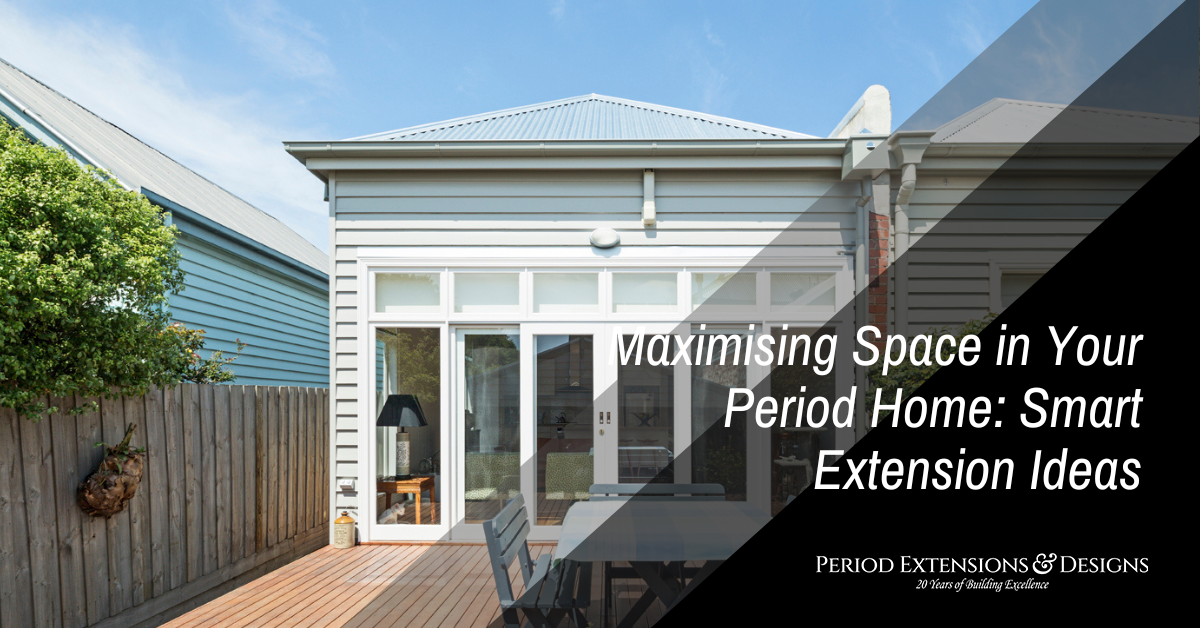
Maximising Space in Your Period Home: Smart Extension Ideas

Period homes are timeless beauties, but they can feel cramped and outdated. If you’re struggling to make your space work for modern living, there’s good news! With clever home extensions in Melbourne, you can transform your property into a functional, stylish haven while preserving its unique charm. From expanding upward with second-storey extensions to creative layouts for the ground floor, the right approach can truly unlock your home’s potential.

If you own a Victorian or Edwardian house, you already know they weren’t built for today’s lifestyles. That’s where smart extension ideas for Victorian and Edwardian homes come in. With thoughtful planning, you can seamlessly blend period features with modern living spaces. These changes don’t just add functionality—they also increase your property’s value.

So, how do you get started? In this guide, we’ll share practical advice, home extension tips, and design inspiration. Let’s dive into ways to create more room without losing the character of your home!

Why Consider Home Extensions?

Extending a period home isn’t just about adding square footage. It’s about designing for the future while respecting the past. Here’s why it’s worth considering:

  • Preserve Heritage: You can keep the charm of period style homes while upgrading the layout.
  • Add Value: Stylish period house renovations appeal to future buyers.
  • Improve Lifestyle: A well-designed extension creates space for growing families and entertaining.

Extensions give you the chance to adapt your home to your needs without sacrificing the original architecture.

Smart Space Planning for Period Homes

When working with older homes, you’ll need careful smart space planning. Unlike modern builds, period properties have quirks like uneven walls, low ceilings, and unique trims. Here’s how to tackle those challenges:

Work with the Structure

Respect your home’s bones. Avoid knocking down walls or removing features that define its character. Instead, plan efficient home design solutions around existing details like fireplaces or bay windows.

Mix Old and New

Marry traditional styles with smart home ideas. For instance, pair a sleek kitchen extension with vintage light fittings or original mouldings. This creates a space that feels fresh but fits with the home’s history.

Popular Extension Ideas

Choosing the right type of extension depends on your goals, budget, and property layout. Here are some common options:

Ground Floor Extensions

These are ideal for creating open-plan spaces or larger kitchens. They work well for entertaining areas or adding extra seating. Ground floor layouts let you connect to the garden, enhancing natural light.

Second-Storey Extensions

Need extra bedrooms or a home office? Building up is an excellent choice for small space solutions. It doesn’t take up garden space, and it works well for period homes with sturdy foundations.

Space-Saving Solutions

If a full extension isn’t in the cards, try these space saving ideas to maximise what you already have:

  • Install built-in shelving to make use of vertical space.
  • Add a mezzanine level for storage or an extra room.
  • Create under-stair storage for clutter-free hallways.

These simple changes can help you reclaim unused areas without major structural work.

Essential Home Extension Tips

Before you begin, consider these home extension tips to ensure a smooth process:

  1. Set a Budget: Decide on your spending limit and include a buffer for unexpected costs.
  2. Get Approvals: Check local planning regulations to ensure your project complies with guidelines.
  3. Hire Experts: Work with architects and builders who specialise in period property design.

With proper planning, you’ll avoid delays and costly mistakes.

How to Maximise Space Without Compromise

Period homes often come with narrow rooms and awkward corners. Here’s how to make them work for you:

  • Use mirrors to create the illusion of depth in small rooms.
  • Opt for pocket doors instead of traditional swing doors.
  • Add skylights to brighten dark spaces and make ceilings feel higher.

These adjustments can make a dramatic difference in how spacious your home feels.

Blending Styles for Period Home Extensions

Maintaining harmony between old and new is key when designing period home extensions. Here are some ways to blend styles effectively:

  • Match new materials with original ones, like brick or timber.
  • Use complementary colours for a seamless look.
  • Incorporate classic details, like sash windows, into modern extensions.

By combining traditional elements with contemporary touches, you’ll achieve a cohesive design that feels timeless.

Frequently Asked Questions

1. How much does a period home extension cost?

The cost varies based on size, materials, and location. On average, extensions can range from £20,000 to £100,000. Always get a detailed quote.

2. Will an extension impact my home’s value?

Yes, well-designed home upgrade ideas often boost property value. Buyers love functional spaces that retain character.

3. Do I need planning permission for extensions?

It depends on your local council and the type of extension. Consult an architect or builder to confirm regulations in your area.

4. Can I extend a listed period home?

Yes, but listed properties require extra permissions. Your project must respect the home’s heritage features.

5. How long does an extension project take?

Smaller projects can take 3-6 months, while larger ones may take up to a year. Timelines depend on design complexity and permits.

Upgrade Your Home Today with Period Extensions

Ready to bring your period home into the modern age? Thoughtful home improvement tips and expert craftsmanship can transform your space while preserving its charm. Whether you’re adding ground floor extensions or going bold with a second storey, the right choices will breathe new life into your property.

If you’re looking for reliable experts to extend your home, reach out to Period Extensions & Designs. Their team specialises in period home space solutions that balance heritage with modern living. Don’t wait—start planning your dream extension now!

Please call us today at Period Extensions & Designs on (03) 9882 5255 or make an enquiry.

CategoriesDesign Inspiration Home Extensions Home Renovation

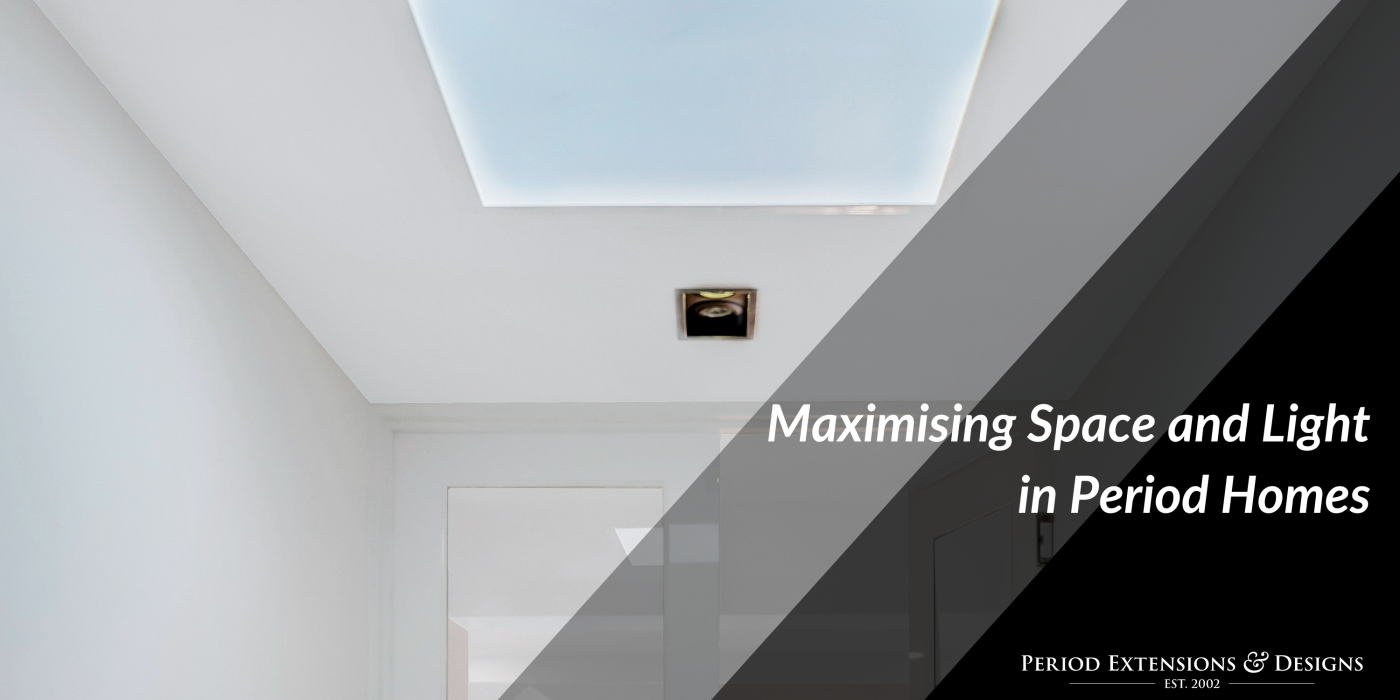
Maximising Space and Light in Period Homes

Period homes, with their charming architectural details and historic appeal, are a treasured part of Australia’s housing landscape. As lifestyles change, and family needs evolve, extending these classic homes can present a unique set of challenges. Balancing modern functionality with period aesthetics requires thoughtful design, especially when it comes to creating a sense of spaciousness and light. By strategically incorporating skylights, windows, and other elements, homeowners can seamlessly blend the old with the new while enhancing their living environments.

Embrace Natural Light with Skylights


Skylights are a powerful tool for bringing natural light into period home extensions. They offer the unique advantage of illuminating spaces without compromising the architectural integrity of the original structure. When selecting skylights, be sure to aim for designs that complement the existing roofline. For instance, installing flush or low-profile skylights can preserve the home’s exterior appearance while flooding the interior with daylight.

Alternatively, consider the benefit of tubular skylights. This is a compact efficient option that doesn’t require significant structural changes and is a standout when it comes to lighting small spaces naturally.

Strategic Window Placement


Windows are a crucial element to get right when renovating period homes, offering not only natural light and a connection to the exterior elements but also playing a distinct role in outlining the architectural style of the period. During planning the layout for new windows, focus on maximising views and capturing light by considering the exterior line of sight, as well as the path of natural light from the sun during winter and summer. Large floor to ceiling or bi-fold doors can blur the lines between indoor and outdoor living, making rooms feel more expansive and airy, and adding a sense of modernity.

Consider adding new windows that align with the original style in material, panel arrangements, and placement. Additionally, using window designs and placements that promote cross ventilation should be considered, as they are one of the most effective ways to enhance airflow, and make a space more comfortable and energy efficient.

Incorporate Light- Reflective Surfaces


Utilise a light colour pallete throughout your renovation. Light colours reflect through the interior of your home and can make small spaces appear larger, brighter and more open. The use of gloss or semi-gloss on architraves, skirtings and hard wearing surfaces not only makes them more durable and easier to clean; it also enhances their reflective qualities. 

The strategic use of mirrors, particularly on the long walls of narrower spaces such as entry ways, can create the illusion of a larger space. Frame styles should be selected to enhance the period aesthetic. 

Blend Modern Extensions with Period Details


Period homes often have small and darker separate dining, kitchen, and sitting areas boxed off from one another. Opening these areas up creates a brighter and more open floor plan, in line with modern tastes, with a larger overall kitchen dining and lounge area, ideal for entertaining and socialising in the home. 

Be sure to select window and door frames that align with the original woodwork and discreet profile skylights that don’t interrupt the roof line. Matching the style of decorative period features such as architraves, mouldings, skirtings and cornices helps to bridge the gap between old and new. Use the same flooring through most rooms of your home, as it makes small spaces feel part of the larger whole.

By integrating these design elements into an extension, you can create a cohesive look that respects and enhances the period home’s heritage while embracing contemporary functionality. Successful period extensions create some of the most pleasing homes to occupy, that are rarely matched for charm in modern design.

___ 

To speak to an experienced heritage builder about how to maximise light and space in your period home renovation, get in touch with the team at Period Extensions & Designs today. or call at (03) 9882 5255

CategoriesDesign Inspiration Home Extensions Home Renovation

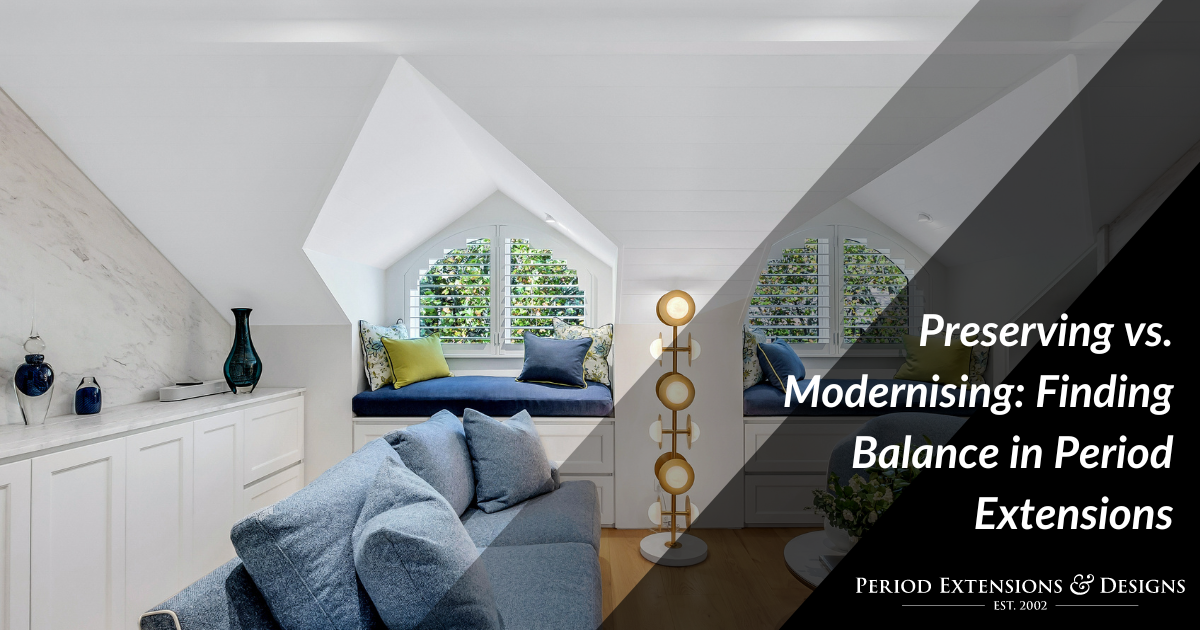
Preserving vs. Modernising: Finding Balance in Period Extensions

Owning a period home is a privilege with a responsibility attached – you are the guardian of a piece of history, entrusted to treat it with love and respect. However, modern life has its demands, and it’s not uncommon for heritage homeowners to desire a renovation or extension that bridges the gap between their historic home and the modern day.

In this blog, we’ll explore a selection of approaches to seamlessly blending an extension with a period home’s existing style, ensuring a harmonious fusion of old and new. Read on to find out how you can respect the architectural heritage of your home, while cleverly incorporating elements that support modern-day living.

Understanding the Architectural Style


The first step in a successful period extension lies in understanding your home’s style. Melbourne boasts a rich architectural heritage – from the ornate details of Victorian cottages to the red-brick facades of Edwardian homes and the simpler lines of Californian bungalows. Recognising the hallmark features of your home’s period style allows you to understand the original design and craft a truly flawless extension. 

The Importance of Balance


A period extension is a delicate balance between preserving the character of the existing home and modernising for functionality. Respecting and maintaining the architectural style of your home is essential. You might choose to restore the façade or repair timeworn elements like ceiling roses or ornate cornices.

Of course, the aim of a period extension is to bring your home into the modern day, and modernisation is equally as important as preservation. Your extension is an opportunity to integrate features like state-of-the-art appliances, eco-friendly design elements and smart home technology that enhance comfort and cater to contemporary living.

Tips for Seamless Extensions


Once you have a clear understanding of what you want to preserve or restore from your existing home and what you might like to modernise, you can start to plan your extension. Some of the best ways to ensure a harmonious blend between old and new include:

Material Selection: Create harmony by either matching the existing materials used in your period home or selecting complementary options. For example, if your home features ornate lacework on the façade, you could replicate this in a new outdoor living area. Alternatively, in a Californian bungalow extension, you could use recycled timber as a feature through the interiors, paying homage to the original weatherboard cladding.

Windows and Doors: Replicating period windows and door styles in your extension is a great way to unite old and new. This might include tall sash or casement windows or you might choose to restore old stained glass windows or commission brand new leadlight windows. Modern reinterpretations can also work beautifully – select sleek, slimline windows with divided panes or stylish double-glazed French doors that echo the traditional feel while offering improved energy efficiency.

Bridging the Gap: A well-designed extension isn’t about hiding the age of your home, but rather celebrating the old and the new. Consider adding an internal courtyard to create a light-filled and eye-catching connection between the existing structure and new addition. Alternatively, use contrasting materials to visually define each space. For example, polished concrete floors in an extension can set it apart from original timber floors, clearly marking the shift in eras while ensuring a harmonious flow.

___ 

If you’re looking for an experienced heritage builder to craft a seamless extension of your period home,get in touch with the team at Period Extensions & Designs today or call at (03) 9882 5255

CategoriesHome Extensions Period Homes

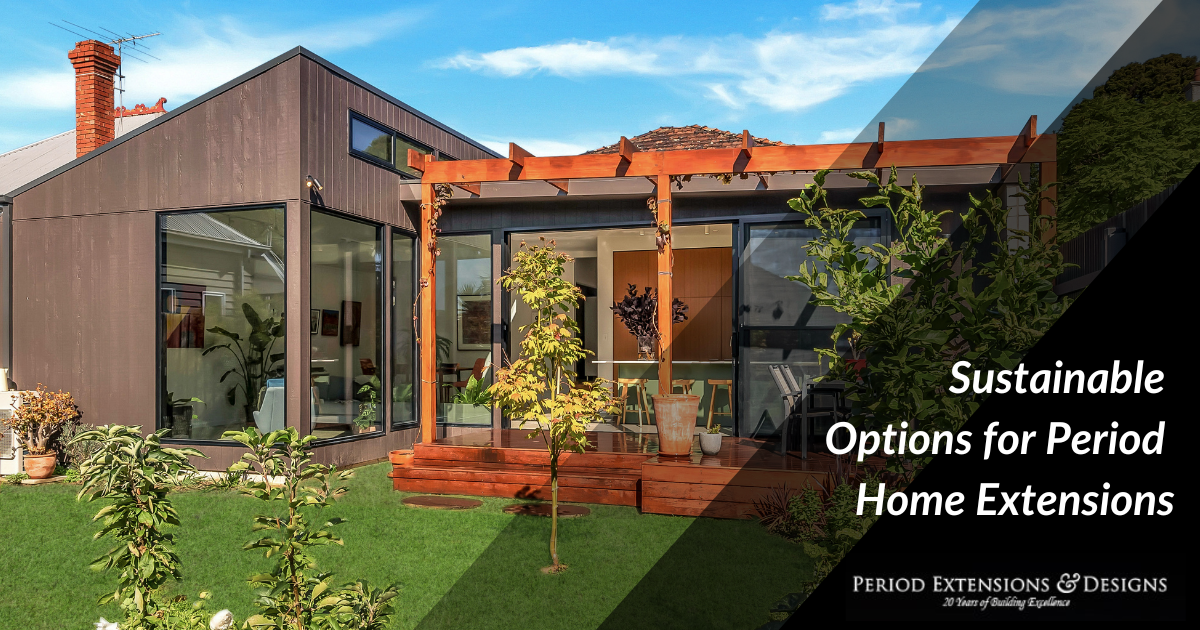
Sustainable Options for Period Home Extensions

When you choose to restore and extend a period home, there are sustainable choices you can make as an owner when going through this process with your builder. Instead of building new, you’re able to give new life to an existing home that has been built with unique character and longevity in mind.

However, not all period homes are made equal, nor are they built to last forever with no maintenance. However, an extension will breathe new life into the property and can future-proof it for years to come.

The good news is you don’t have to give up on your sustainable ambitions when considering a period home extension – there are a number of options that are kind to the planet, without compromising on style. Here are just a few of our favourites.

Reuse and recycle

When undertaking a period home extension, it’s worth establishing if there are any materials from your existing home that you can salvage and repurpose with your new design. You will save on costs as you won’t have to buy new; prevent materials going to landfill and add character to your new addition. Some materials can be re-used in some way – whether it’s timber flooring that’s repolished and re-laid or windowpanes that are carefully removed and re-added into the new design somewhere else. Recycled materials don’t need to come from your existing home either – recycled steel and timber are both available in the residential construction market.

Buy local

If you can’t use existing materials, you could look to source sustainable materials in your period home extension. This could mean incorporating sustainably sourced timber, cork, concrete or even bamboo. Where possible, it’s best to also consider the supply chain of each material. By opting for Australian-made materials, you can reduce the ecological footprint and support local businesses – a win-win!

Opting for sustainable options doesn’t mean compromise either – businesses like Colorbond steel create affordable and eco-friendly products that are durable, modern and easily recycled at the end of their lifecycle. However, it is important to do your research – look for official certification, recyclability and eco-friendly production methods for the green tick of approval.

Natural resources

Australia is a ‘sunburnt’ country, so an option could be taking advantage when extending your period home by introducing solar panels. If your home has the right roofing, you can install panels that capture the energy of the sun and convert this into electricity that powers your home, potentially reducing your energy bills. You may even want to take the chance to convert all your gas appliances into electric ones, so that eventually, you will have minimal energy bills.

While we may have plenty of sunshine, water is a finite resource. Consider choosing water-saving taps, showerheads and toilets.

Purposeful window design

Window selection is another way you can choose sustainability in your period extension. Well-located windows can introduce natural light, encourage cross-ventilation and even contribute to passive solar heating, helping to keep your home warm in the winter.

The thickness of glass also plays a part – double-glazed windows reduce heat loss by 30% when compared to single-glazed windows, helping to regulate the internal temperature of your home. If you are installing double-glazed windows with your extension, but your existing property only had single-glazed, consider replacing the glass of the existing windows to maintain energy-efficiency.

Passive heating and cooling

When extending a period home in a sustainable way, it’s essential to consider the movement of the sun, ensuring that the extension or addition receives the maximum amount of sun in the winter. This will result in a more comfortable temperature year around, without the need for artificial heating and cooling.

While we can’t adjust the orientation of a home, there are ways to manage and mitigate exposure, including the use of double- or triple-glazed glass in windows and doors, strategic shading and the installation of new insulation. These will all make a clear difference to your home’s comfort levels and energy bills!

To get started on your period home journey today, contact us on (03) 9882 5255

Contact Us
Add to cart
DOWNLOAD OUR

TOP TIPS FOR RESTORING YOUR HOME

With over 20 years in the business, we’ve seen and done it all. Download our FREE GUIDE to restoring your period home today.

Thank You!

One of our designers will give you a call as soon as possible.

Consultation Request