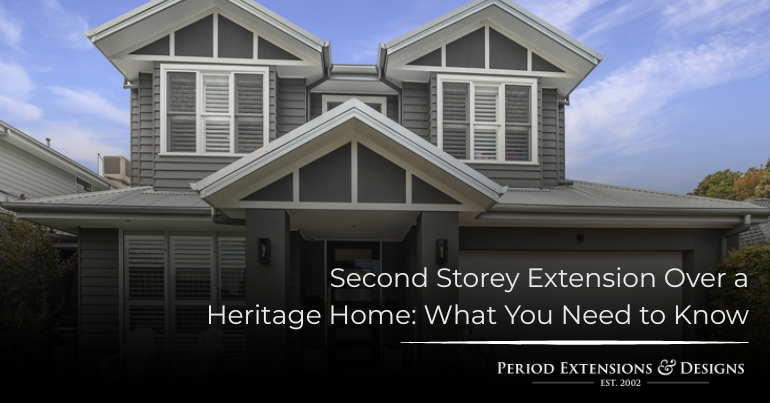
A second-storey extension is a smart way to add space without selling up and moving from a home you already love. But when the home is a heritage one, the process is a bit different. You need to think about design, structure, and council rules before you start.
If you’re planning a second storey extension in Melbourne, it helps to know what’s involved early on. A well-planned second-storey house extension can give you more room while still keeping the original character of your home.
Why a Second Storey Make Sense for Heritage Homes?
Most heritage homes were built at a time when families lived differently. Rooms were smaller, layouts were tighter, and there was no need for home offices or open spaces.
A second storey house extension can modernise your home without changing the original charm and beauty of the home.
Here’s why many homeowners choose this option:
- You keep your outdoor space instead of building into it.
- The original facade of the front of the home can stay the same.
- You can add private spaces upstairs while keeping shared areas below.
With double storey extensions, you’re not just adding rooms. You’re improving how the whole house works, and modernising your home to suit your lifestyle.
Know Your Home Style Before You Start
Every heritage home has its own character. Before planning a second storey extension, you need to understand what makes your home unique.
1. Victorian Homes
These homes often have narrow fronts, detailed trims, and long hallways. A second storey extension here is usually set back so the front view of your home isn’t impacted.
2. Edwardian Homes
These are a bit wider and simpler in design. A second storey house extension can be easier to blend in if you follow the same roof lines and window styles.
3. Californian Bungalows
Low and wide, these homes have a strong street presence. For double storey extensions, the top level is often built to replicate the front fascade.e thus making a statement front gables.
4. Federation Homes
These homes use brick, timber, and classic roof shapes. A second storey extension project here needs careful material matching so the new and existing blend aesthetically.
Knowing your style helps guide every decision, from design to materials.
Council Rules and Heritage Controls
This is where many people get surprised. A second storey extension often requires the following:
- Structural Engineering,
- Town Planning Approval,
- Building Permit.
Councils often want to protect the heritage of older homes. you may be required to:
- Keep the front facade unchanged
- Set the new level back from the street
- Select from particular colours and materials that match the area and style
Therefore, you may need to get town planning approval from Counsil before you build. This part can take time; it’s not unusual for approvals to take a few months. A clear understanding of these requirements from the start helps keep the process smooth and uninterrupted. The team at Period Extensions & Designs are experts when it comes to town planning approvals.
Structural Work: What Happens Behind the Walls
This part is easy to overlook, but it’s one of the most important steps.
Most heritage homes were not built for a second storey extension. So before anything goes up, the base must be checked.
This involves:
- Strengthening the foundation
- Replacing old timber supports
- Adding steel beams for support
- Engineering for the build
In many cases, parts of the home may need to be opened up to allow for these changes. It’s also important to have the right reports prepared by a structural engineer, as these are needed to move forward with permits and the build. Our team can take care of this process as part of a start-to-finish service, covering everything from design and approvals through to construction.
Stairs, Layout, and Flow
One thing people don’t always think about is where the stairs will go.
A second storey house extension needs a staircase that:
- Fits naturally into the layout
- Space becomes more functional
- Connects both levels smoothly
This may affect the layout of your ground floor. Rooms may require minor changes to accommodate stairs. In well-planned double-story extensions, the flow is effortless. You move between levels without feeling forced or constrained.
Build Up Without Losing Charm
Planning a second storey extension on a heritage home can feel like a big step. That’s where Period Extensions & Designs comes in. We know how to handle second-story extensions in Melbourne with care, preserving the original style while adding space that is functional for your current lifestyle.
If you’re thinking about double storey extensions, enquire with Period Extensions & Designs today and let our team help design and build an extension that suits your home and style.