How to Renovate a Contemporary Home
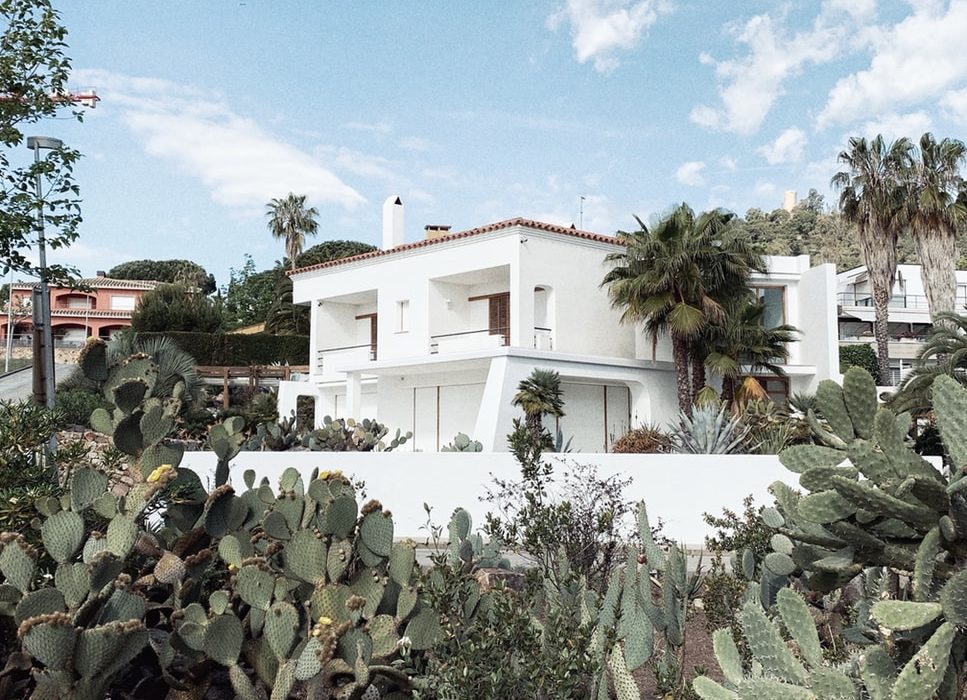
While renovating a period home may be tricky enough, learning how to restore a contemporary home is a different matter altogether. That being said, how do you define ‘contemporary’? In recent guides and articles, we have looked at some of the more elaborate Australian period homes and styles which require specific attention.
However, if you are thinking of discussing the renovation of a contemporary property with an expert, there are a few specific points you should ideally keep in mind before discussions begin.
Why Are You Renovating?
This is a question you should be asking yourself early on. If a property is already considered modern, why would it need to be renovated?
- The property may not have enough space for your needs, so you need to extend its profile to create more living space for you and your family.
- The property may be in some disrepair and may need some TLC to bring it to a liveable and modern standard.
These are just a few reasons why people opt to renovate and extend a contemporary home. Naturally, Melbourne builders and those based elsewhere will always be happy to help. However, they will also be looking for clear motivations for your project.
Boosting Value and Liveability

Let’s focus on this idea of increasing the value of a contemporary home. And, let’s also pair in this concept of liveability. What will it take to bring a home up to comfortable standards? It’s going to vary from property to property.
However, here are some general ideas and areas you and your luxury home builders can focus on at any point in the project. Once again – we must stress – you should never undertake property renovation on your own. It’s a painstaking process that needs the support of a seasoned professional!
- If your focus is value, be aware that most opinions are made about a property from how it looks on the outside. That means renovating the facades, the windows, and any gardens.
- Focus on low maintenance. That applies to the inside and outside of your home. Contemporary living is convenient and undemanding. Make switches and facilities easy to access. Don’t over-complicate design touches or any fixtures and fittings.
- Be smart about storage. That doesn’t mean installing rows and rows of cabinets. It means thinking big about hooks, compacted storage spaces, and more besides. Contemporary storage is practical but not crowding.
- Go neutral on the colour scheme. A contemporary home can be let down by garish or outlandish shades. Keep your paint neutral, and dress your walls in optional decoration.
- Encourage natural light. Light plays a huge part in modern home design. Install plenty of windows, and let light flow through with ease.
Want to know more about how to make a contemporary home renovation work for you? Call our experts for support and advice on (03) 9882 5255.
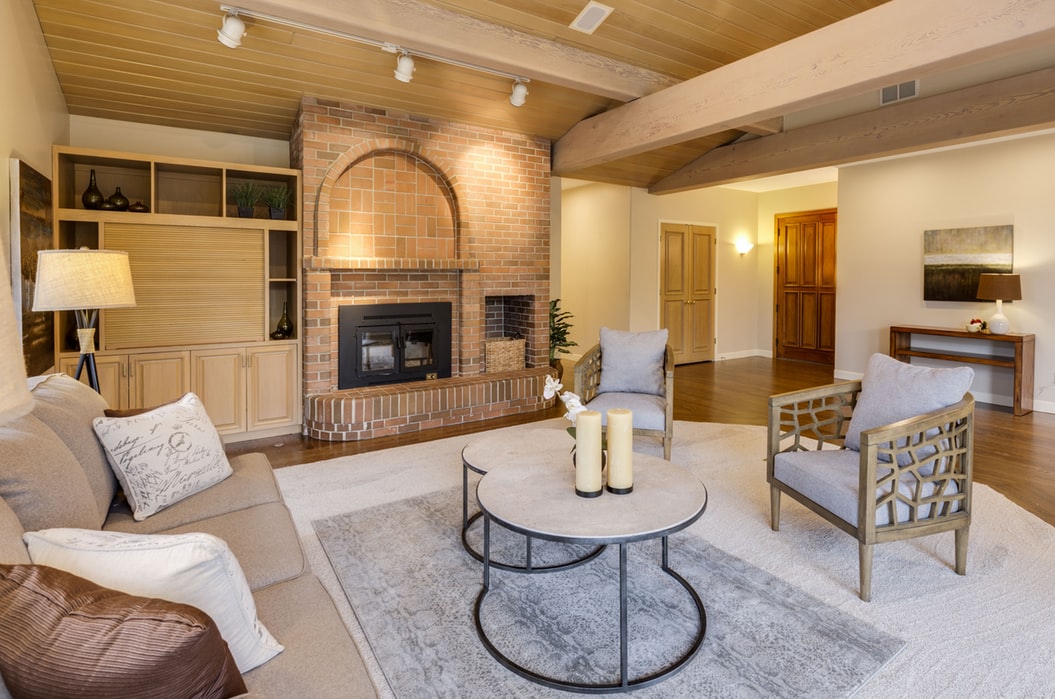
 While many period homes will need to be upgraded for safety reasons, there’s nothing to say you can’t stick with the same aesthetic. In some cases, it’s recommended that you install features and supports which are based on your period look. Similar to using recycled material, as suggested above, a home renovations expert may recommend having new elements designed and fitted from scratch, but with the existing pieces used as templates.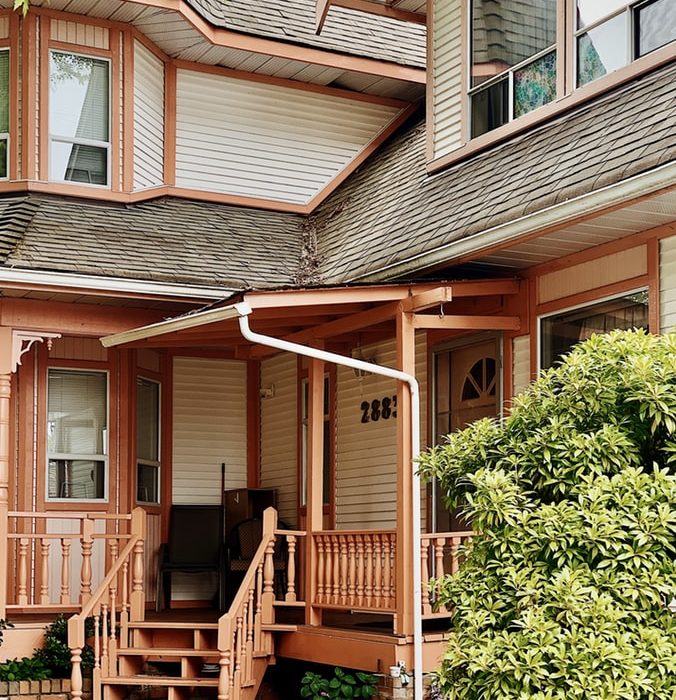
 Glass is seen as something of an ultra-modern, luxury commodity. However, it’s actually very affordable and accessible. With the Edwardian look already being relatively modern, at least by most period home standards, you will likely be able to get away with introducing sliding glass panels into gardens and yards. You’ll also be able to install glass walls and doors inside, too. However, it’s important you arrange for an expert to help with this.
 As Art Deco property design is so striking and so unique, many property designers will likely advise that you try and leave as much of the original look alone. With wear and tear, however, that’s not always possible. It’s also going to be tricky to find exact matches for specific colours, fittings and fixtures.

 Victorian homes are best known for being very intricate. There are a lot of specialist touches and flourishes which you’re likely to find in the inner architecture, as well as outside. However, they can also be surprisingly simple.