Period property and homes you might find in the UK will be completely different from those you find in the US, for example. Australia is no different. We have our own rich history in period architecture just waiting to be explored.
We have recently touched on the different styles and types of period home which can be found across Australia in our article ‘What You Need to Know About Period Homes’. In this guide to Australian period homes, however, we will probe a little deeper into some of the country’s most popular styles. Let’s take a closer look.
Georgian homes are loved for their appearance, strong construction, and lasting character. Over time, the original layout may no longer suit modern living, especially as families need more open and flexible spaces. As experienced home extension builders, we focus on helping homeowners add space in a way that feels natural, with carefully considered designs that connect new areas with the existing home while keeping its original character and comfort intact.
- Many homeowners today reach a stage where the original layout no longer supports their lifestyle, which is why period home extensions are often considered as a way to add space while protecting the home’s character.
- Many owners look for period home renovations that improve comfort, natural light, and everyday livability while keeping the calm, balanced feel that makes Georgian homes special.
- At Period Extensions & Designs, we work closely with homeowners to help their Georgian homes grow naturally, so old and new spaces blend seamlessly and are true to the home’s history.
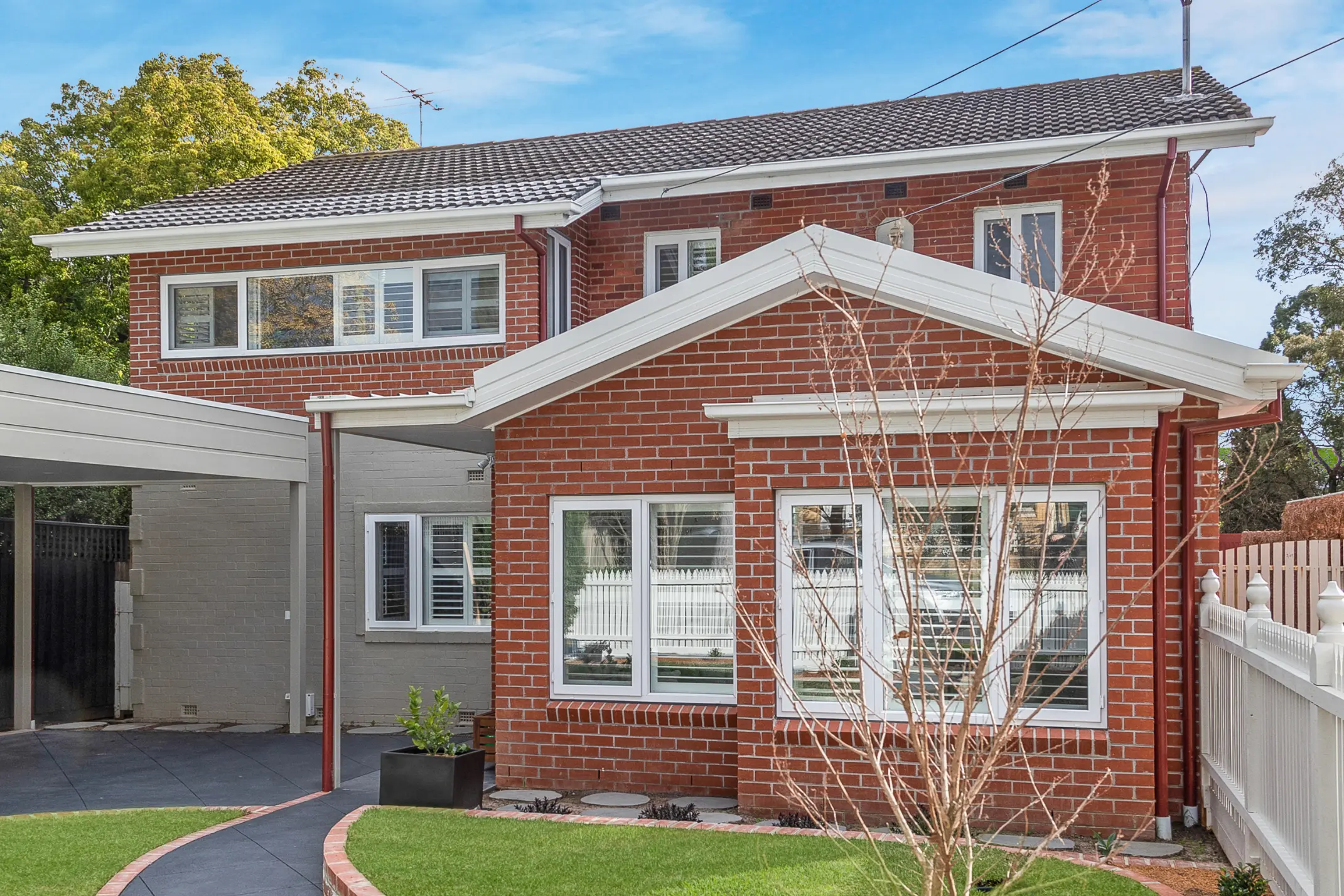
Early Victorian homes are some of the most stunning homes that were built during a time when Australian cities were growing. These beautiful homes are known for their balanced proportions, solid brick construction, and simple detailing. But with time, many owners reach a point where the original layout no longer supports modern living. With the right Victorian home extension service, you can upgrade your home to everyday comfort while preserving the character and street presence that make it special.
- Our Victorian home extensions are designed to allow early Victorian homes to grow while retaining their original street presence.
- Period house renovations are well planned to preserve the front façade and characteristics of the home with carefully considered designs that connect the new addition and suit the modern lifestyle.
- At Period Extensions & Designs, we aim to respect the original home and keep its beauty intact. Our Victorian home extensions are made to make sure old and new spaces sit naturally together.
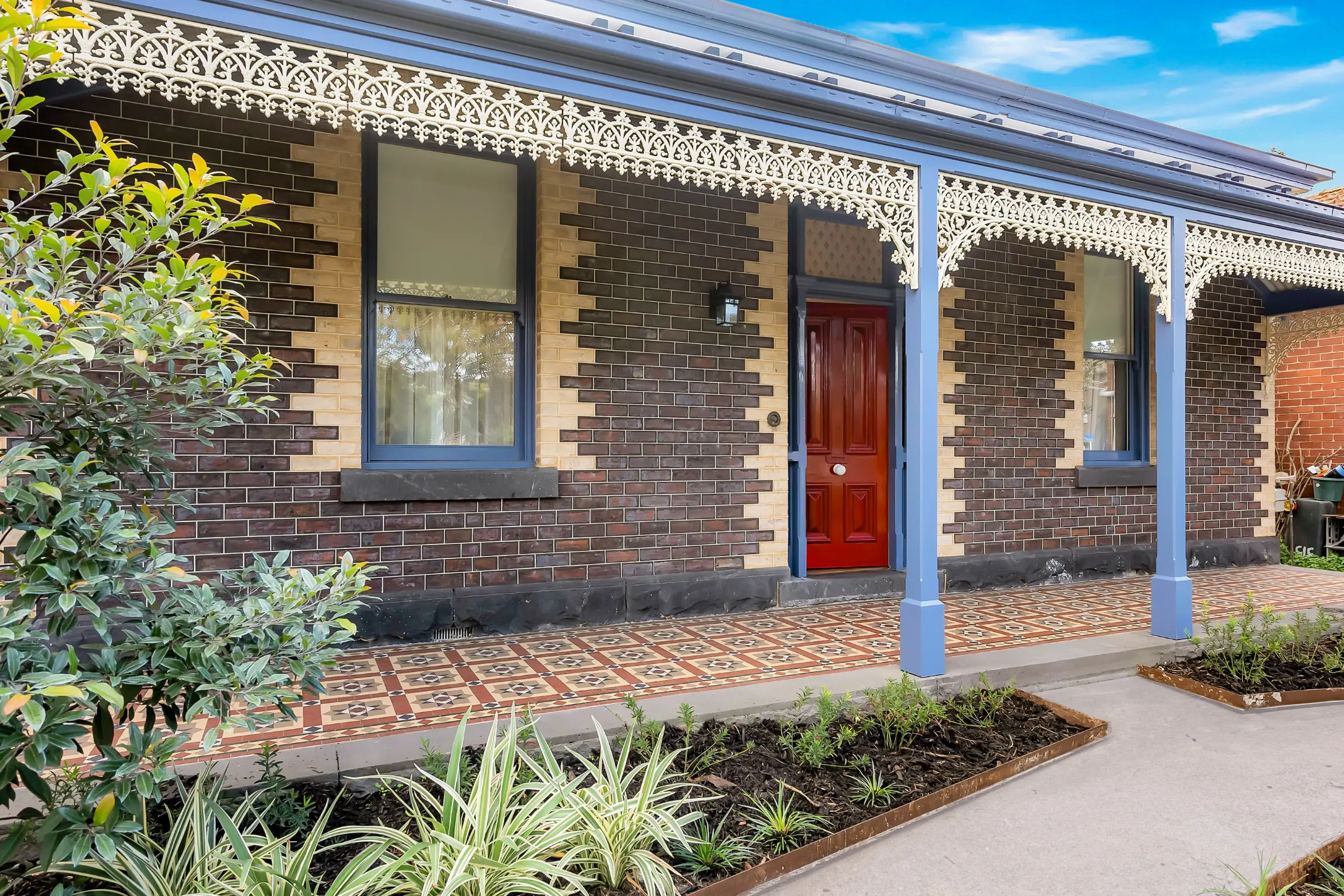
Mid-Victorian homes are known for their decorative facades, beautiful cast-iron lacework, and detailed ornamentation that defined Melbourne homes between 1860 and 1875. These features give the homes a strong street presence and lasting architectural character that many homeowners want to preserve. Mid-Victorian homes were rich in details, and layouts were designed for more formal living. Rooms were separated, with limited light and connection between spaces.
- A well-planned period home renovation service improves flow, comfort, and natural light while maintaining the home’s original beauty.
- Through carefully considered heritage home renovations, original features such as iron lacework, mouldings, and decorative details can be restored while new living areas are introduced at the rear.
- At Period Extensions & Designs, our Mid Victorian extensions are designed to blend seamlessly with your existing home, improving everyday living while respecting the history and stunning craftsmanship of Mid-Victorian architecture.
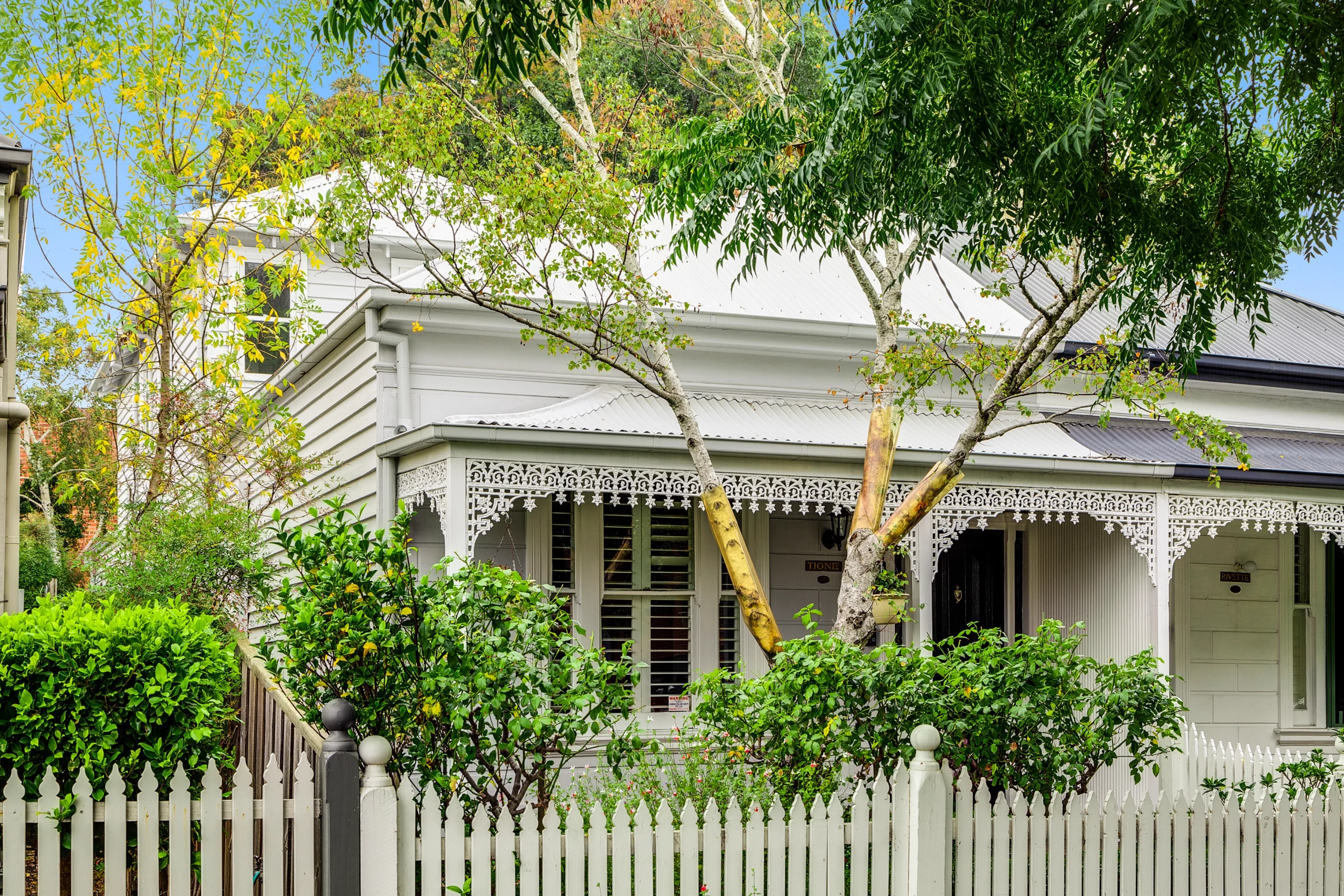
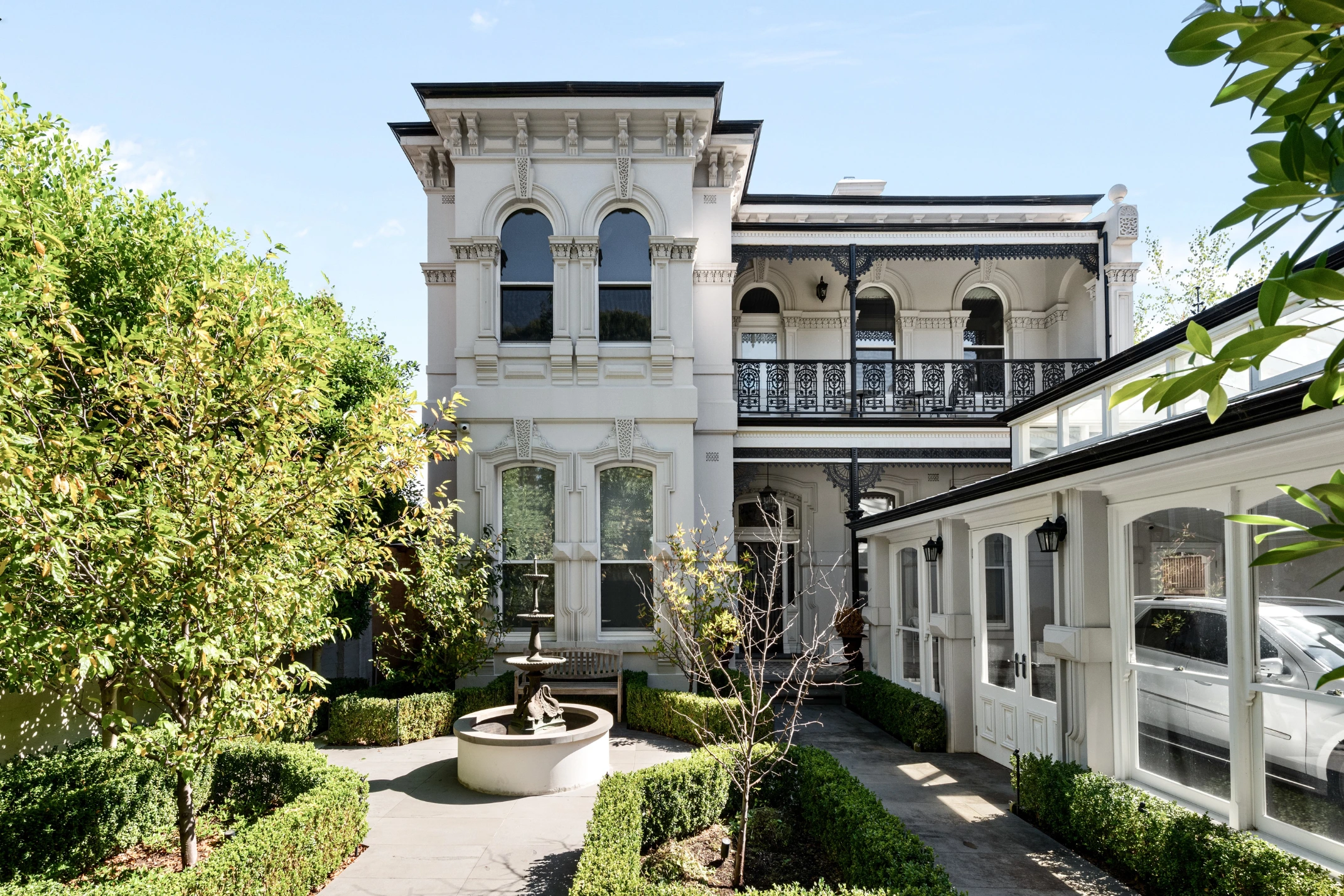
Boom houses are known for their decorative façades, high ceilings, and formal rooms. Built between 1901 and the First World War, it developed as a distinct Australian style. Drawing influence from the late Victorian era and elements of Queen Anne architecture, these homes combined decorative detail with a more relaxed, national identity.
Boom homes were born during a time of extraordinary confidence and prosperity in Australia, particularly in cities like Melbourne. Built in the later Victorian period, these homes were designed to make a statement. Decorative parapets, intricate cast iron lacework, stucco ornamentation, and grand verandahs create a façade rich in detail. The roofs are just as impressive, steeply pitched, and often slate-clad
- As families grow, many owners look at house extensions to create additional space. Often the front rooms and facade remain untouched to protect the heritage overlay and preserve the original charm of the Boom houses.
- With our period home extension and renovation services, we ensure that the old and new parts of the home feel connected rather than separate.
- At Period Extensions & Designs, the focus is on helping homeowners renovate and extend their homes with purpose while keeping the character of the Boom house.
Queen Anne homes, built between 1895 and 1910, are some of the most visually distinctive period homes in Australia. These homes were designed to stand out, with intriguing and complex roofs, featuring multiple gables, turrets, chimneys, and varied pitches. Queen Anne homes are known for their asymmetrical façades, decorative timber fretwork, leadlight windows, bay projections, and intricate rooflines.
- While the exterior is expressive, the internal layout was designed for formal living, which does not typically suit modern families. Heritage home renovations and extensions allow you to improve space, light, and functionality while preserving the original façade.
- Homeowners choose house extensions to create more practical, connected spaces for modern family life. Queen Anne house extensions are generally positioned at the rear, allowing the original façade and roof form to remain untouched.
- Queen Anne homes suit well-planned luxury home renovations. At Period Extensions & Designs, we are familiar with the limitations these homes present and we design extensions that improve modern living while keeping the character of your home intact.
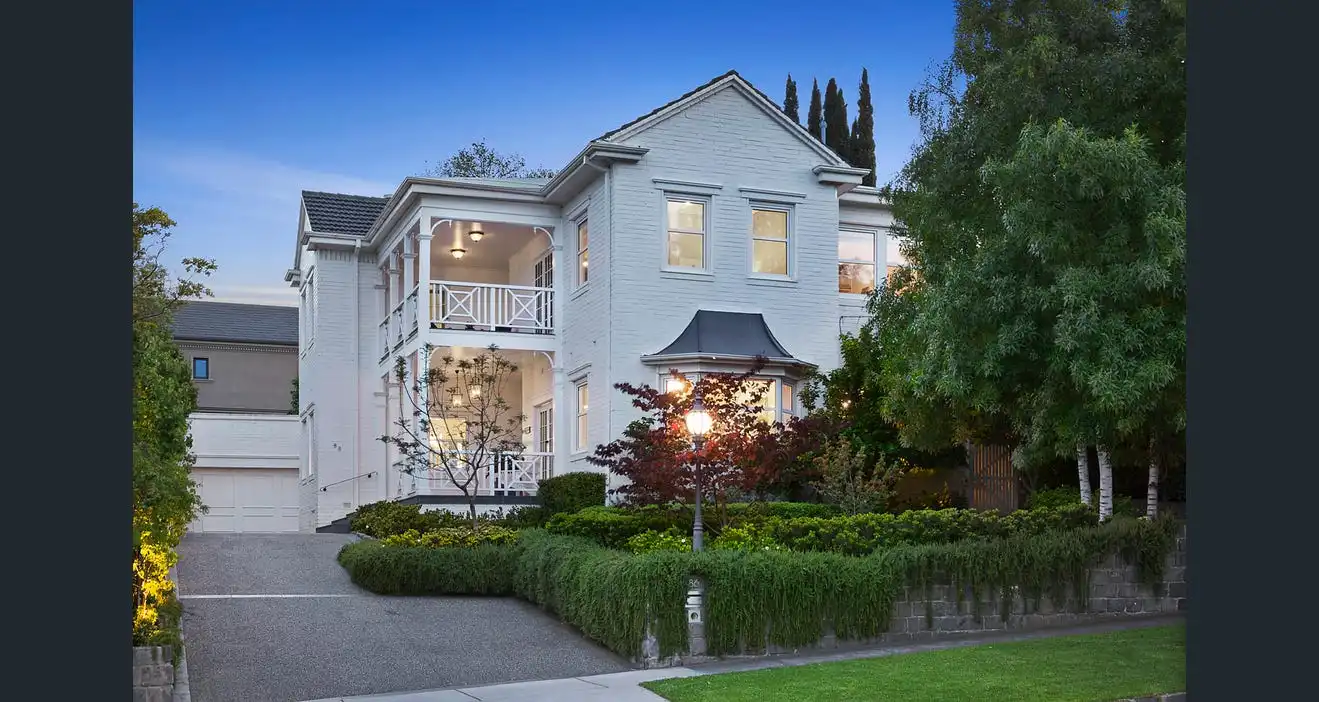
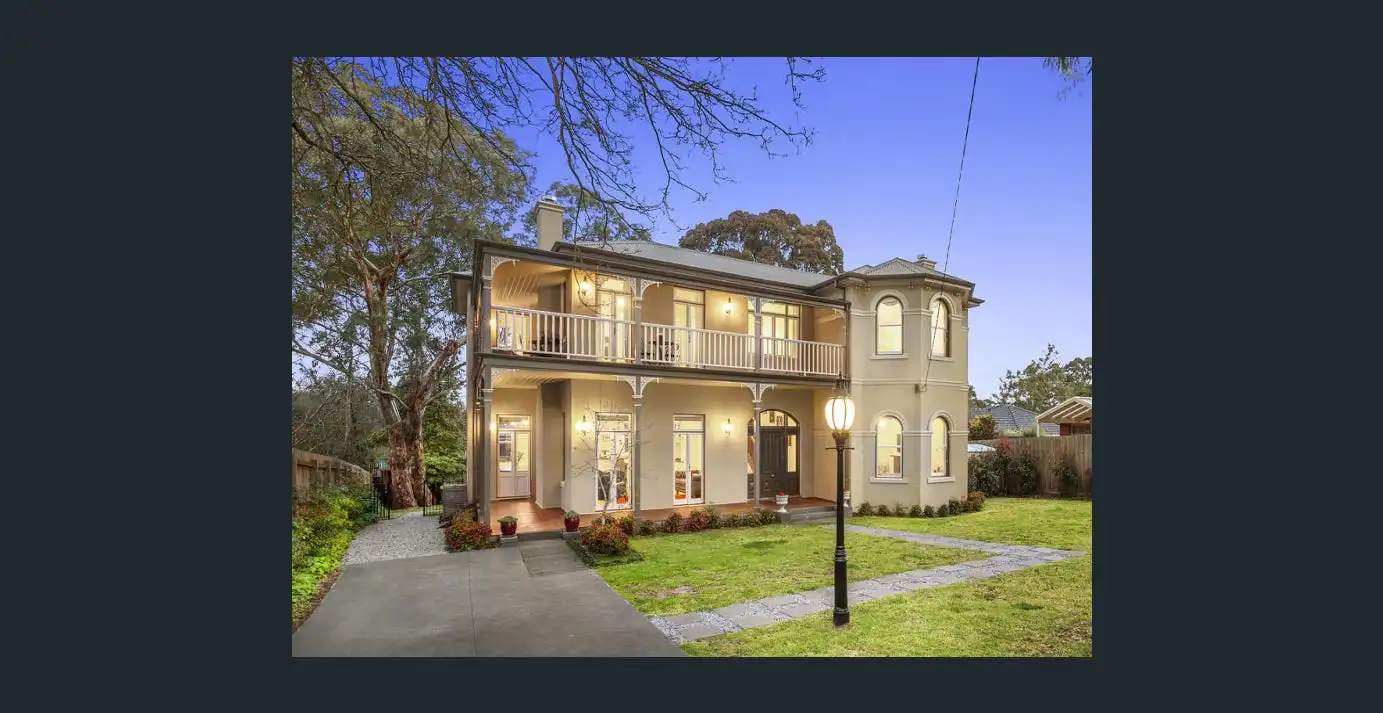
Edwardian homes or Federation homes were built between 1901 and 1915 during a time of national pride and growing prosperity in Australia. This style of home is recognised for its red brick façades, decorative timber fretwork, stained glass windows, tuck-pointed brickwork, and wide front verandahs that give these homes their warmth and charm.
- Many homeowners begin exploring home extension services to improve how spaces connect and function day to day.
- Edwardian homes also suit luxury home extension, where modern kitchens, bathrooms, and open living areas are added carefully so the home feels comfortable, practical, and true to its original style.
- As experienced extension and renovation builders, we design new spaces that sit comfortably with the existing Edwardian home while keeping its street presence and character intact.
Californian Bungalows became popular across Australia in the early 20th century and are a familiar sight in suburbs throughout Melbourne. Known for their low-pitched gabled roofs, wide front verandahs with tapered columns, exposed rafters, and solid brick or weatherboard construction, these homes feel warm, grounded, and welcoming.
- Many homeowners begin exploring home renovations to improve how spaces connect and function day to day, particularly in Californian bungalows, where rooms can feel separated from the main living areas.
- Californian Bungalows also suit luxury home renovations, with modern kitchens, bathrooms, and open-plan living zones carefully introduced at the rear to enhance comfort and natural light while respecting original timber details and period features.
- As experienced Californian Bungalows extension builders, Period Extensions & Designs design new spaces that sit comfortably alongside the existing bungalow, preserving its street presence, warmth, and character while adapting it for contemporary living.
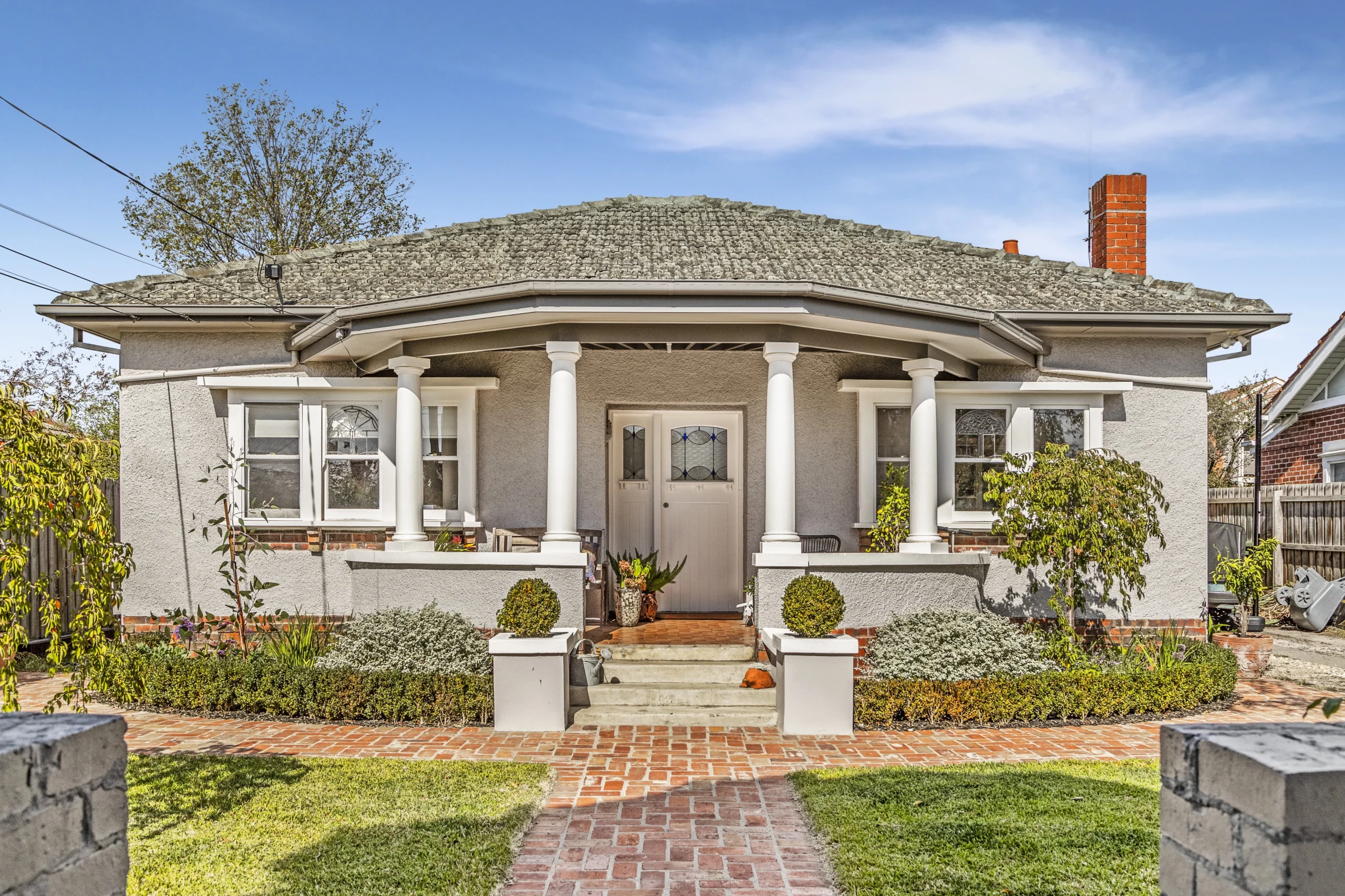
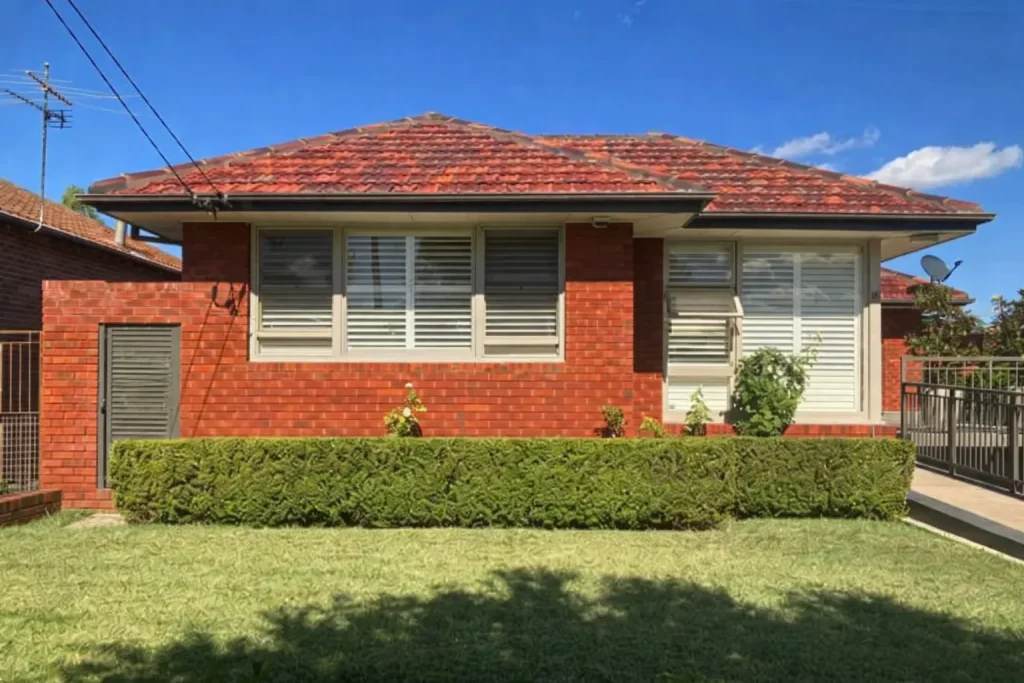
Post-war homes are common across many suburbs of Melbourne and are easily recognised by their triple-fronted brick veneer façades and practical, single-storey layouts. While solid and functional, their smaller, separated rooms can feel closed off for modern family living. Homeowners choose to open up the floor plan to create light-filled, open-plan living areas, and because these homes are typically single-storey on generous blocks, they also offer excellent potential for a second-storey extension without losing valuable outdoor space.
- With carefully planned heritage home renovations, these homes can be opened up and improved for everyday comfort while keeping the character and familiarity that made you choose the home in the first place.
- The Post-War house extensions focus on creating additional space to provide a larger space for growing families and cater for modern day lifestyles.
- At Period Extensions & Designs, we focus on preserving the original character and charm of your Post-War home while thoughtfully renovating or extending it to suit modern living.
- With the right period house renovations, you can focus on improving flow and bringing in more natural light while keeping the main structure unchanged.
- With the right period house renovations, you can focus on improving flow and bringing in more natural light while keeping the main structure unchanged.
- With the right period house renovations, you can focus on improving flow and bringing in more natural light while keeping the main structure unchanged.
What Does an Extension Mean for a Period Home?
An extension to a house means adding to the existing living area of your home. Many period home owners wish to add on to their homes with modern, open-plan kitchens, larger family rooms, or another bedroom while keeping the character of their homes intact for curb appeal.
Common types of extensions are:
- Open-plan kitchens and living areas at the back of the house
- Additional bedroom/s, bathrooms and/or master suite
- Indoor/Outdoor areas such as a Deck, Alfresco or Courtyard
- Second-storey (upward) extension
When you should consider an extension:
- Your family needs more room to live and grow
- You would like your home to be more functional
- Your block has enough space for an extension
It is very important that any extension you do to your home will match and not be in competition with your existing home. The key is to have a good transition from old to new.
What Does Renovating a Period Home Involve?
Renovating improves on what already exists without really changing the physical size of the home. This means that you won’t be adding any additional square footage to your home. However, renovating will often require updating other elements such as kitchens, bathrooms, floorplan layout, etc.
Some other factors to keep in mind when renovating a period home: many older buildings contain pre-existing conditions that can cause problems; such as, old wiring (meaning that your electrical system is outdated), dampness from humidity creating moisture issues, or structural deficiencies due to the age of the building. These conditions may also increase your expenditures depending on when they are discovered, which is why it is always best to plan ahead.
Frequently Asked Questions
A period home generally refers to houses built in earlier architectural eras, such as Victorian, Edwardian, Federation, Queen Anne, Art Deco, Post War, and Californian Bungalow. These homes are valued for their character, proportions, and traditional construction style. They are often identified by distinct features such as decorative iron lacework, stained glass windows, high ceilings, ornate cornices, fireplaces, and detailed timberwork. While the exact definition can vary, the common thread is their historical design and craftsmanship
Yes, with careful design and an understanding of Heritage Overlay requirements. Extensions are often completed at the rear to protect the original façade and streetscape. A well-planned design respects the home’s scale and architectural details, allowing modern living spaces to be added while keeping its character intact.
In many cases, yes. Approval requirements depend on zoning, overlays, and the extent of the proposed works. Heritage overlays are common in suburbs with period homes. Early planning awareness is critical because design decisions often need to align with council regulations.
No. Renovation is the process of improving the quality of the layout, light, and liveability. Whereas restoration focuses on preserving or repairing original features. In practice, restoration is usually carried out alongside a renovation or extension rather than as a standalone service.
Victorian, Edwardian, Federation, and Californian Bungalow homes are among the most frequently extended in Melbourne. These homes often have strong street appeal but layouts that no longer suit modern living. Extensions provide a way to improve the function without replacing the home.
Yes, you can extend a heritage-listed home, but it depends on local council regulations and heritage overlays. Most councils allow extensions if they respect the original structure and are usually built at the rear.
The best approach is to preserve the original front façade and add a well-designed rear extension that complements the scale, materials, and proportions of the existing home.
Renovating is often cheaper upfront, but extensions can provide more long-term value by increasing space and functionality. Costs vary depending on structural condition, design, and permits
Yes, most extensions require council approval, especially if your property is affected by heritage overlays or zoning regulations.
Focus on restoring original elements (like timber floors and ceilings) while introducing modern layouts and finishes in new or updated areas, often through a rear extension.
In some cases, yes. But it depends on local planning controls and heritage restrictions. Second-storey additions are often set back or designed to minimise visibility from the street.
Common challenges include council approvals, structural limitations, matching materials, and ensuring the new design blends well with the original architecture.
A well-designed extension can significantly increase property value by improving space, layout, and liveability, especially when it complements the original home.
Timelines vary, but most projects take several months to over a year, depending on design complexity, approvals, and construction scope.
It depends on your needs. Renovate if your layout needs updating; extend if you need more space. Many homeowners choose a combination of both, while preserving character throughout.
The majority of homes built in the early 1900s tend to follow a combined approach of renovation (to the front of the existing structure) and extension (to the rear of the existing structure).
Conclusion
This is just the tip of the iceberg! There are many different Australian period homes to choose from. There is perhaps more to the history of Australian property design and construction than many people give credit for.
If you are considering how to renovate a contemporary home, or are looking into Federation home renovation, you should consider approaching an expert for extension and renovation support.
Period Extensions & Designs are experts in Australian period design. Call our team today for a free consultation on 03 9882 5255, or email us if you have a specific query which we may be able to help with.
Book A Free Consultation Today
One of our experienced designers will contact you to discuss your renovation or extension.